Herbie's Garden Notes
Seasonal updates from The Herb Farm.
Autumn 2026
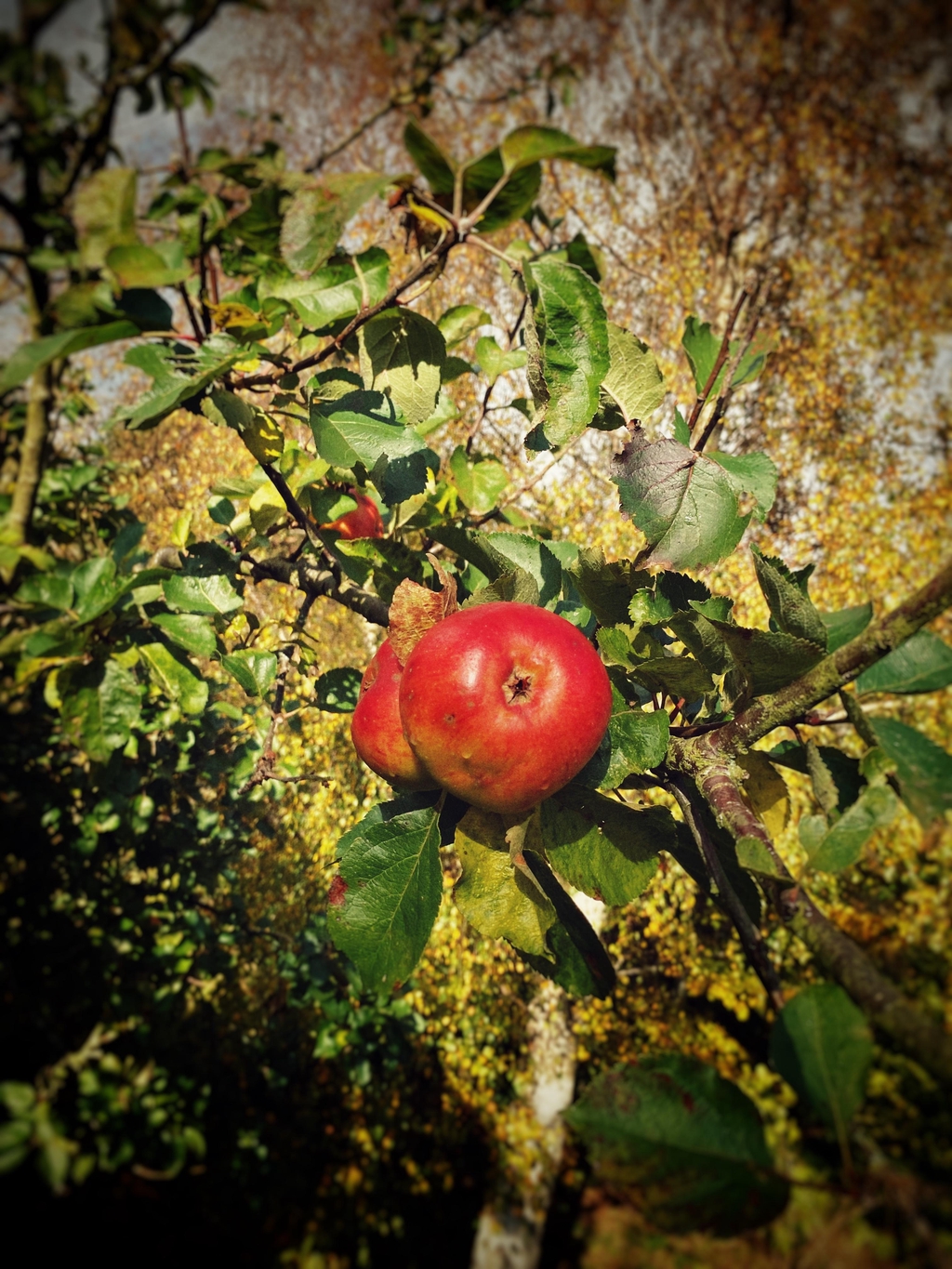
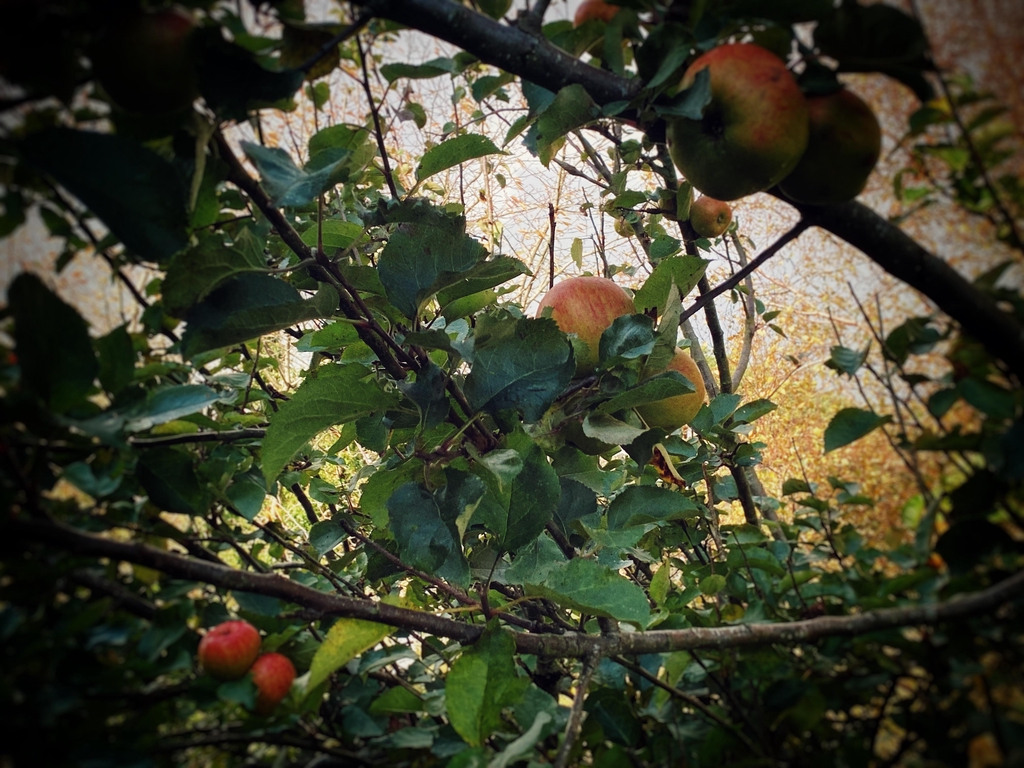
Ah, season of mists and mellow fruitfulness! Summer was tough for many reasons, not least the drought. Although our newly established herb beds grew (as did our green beans!), our all important pumpkin crop is absolutely nowhere near what we had hoped for. On the other hand, that other autumn staple our old apple tree is as abundant as ever and we’ve been taking plenty of apples to give away (or for our child to sell at extortionate prices) at farmers’ markets, making apple crumble and experimenting with ways to dry and prepare our own apples for tea production.
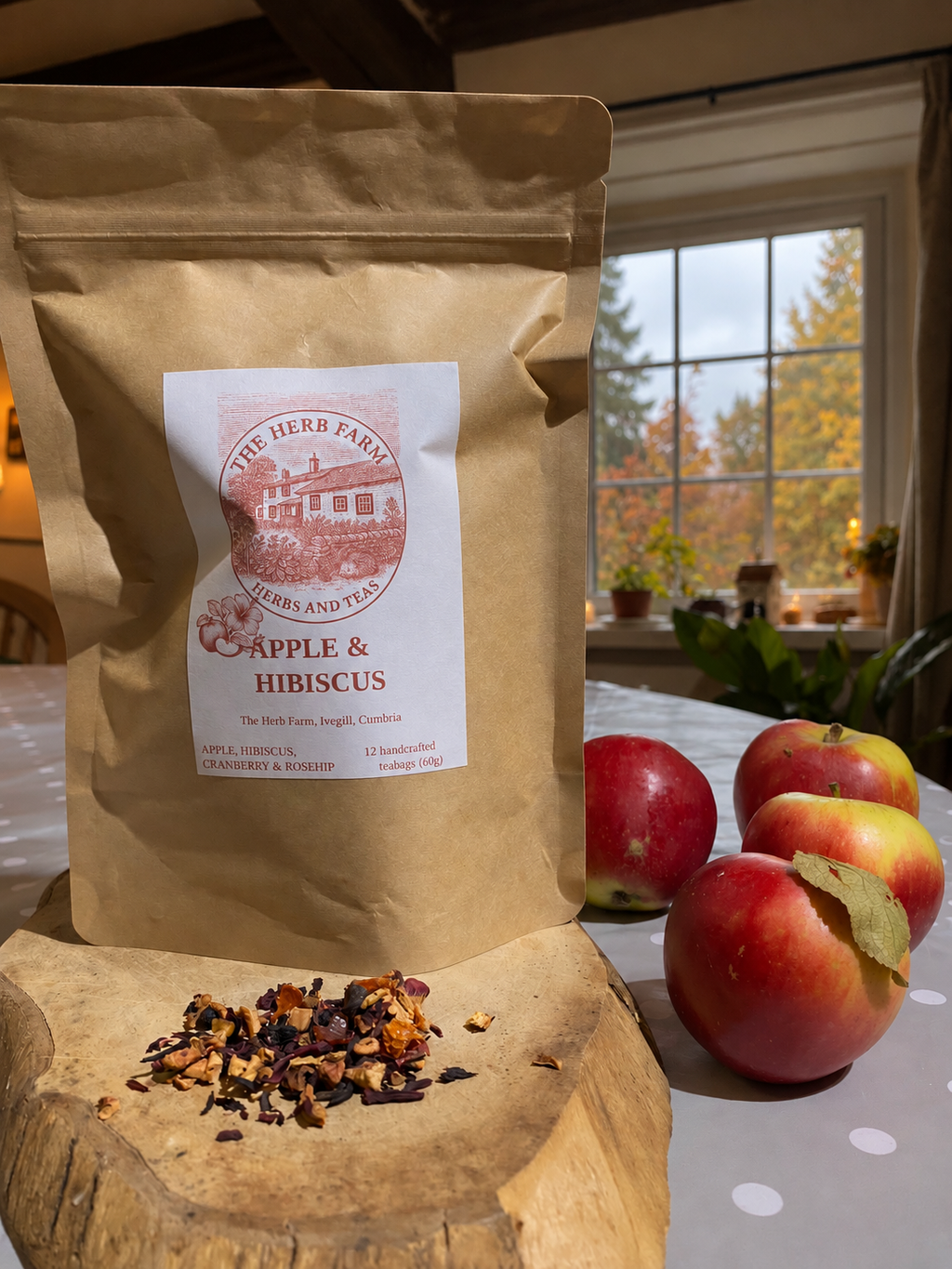
The abundance of apples has also given us plenty of inspiration for tea-making, and this year we introduced a first fruit tea, Apple & Hibiscus. Dried apple, hibiscus, cranberry, rosehip and elderberry combine to create a rosy infusion in which the sweetness of apple is balanced by the sharpness of the other fruits and flowers. It's a lovely drink for this time of year, particularly when the evenings are drawing in, although we rather suspect it will be just as welcome when the warmer weather returns. We're not using apples from our own tree in the blend just yet, but we're experimenting with ways to make use of our harvest in future production. It would be rather satisfying to see some of those apples finding their way into our teabags rather than yet another crumble!
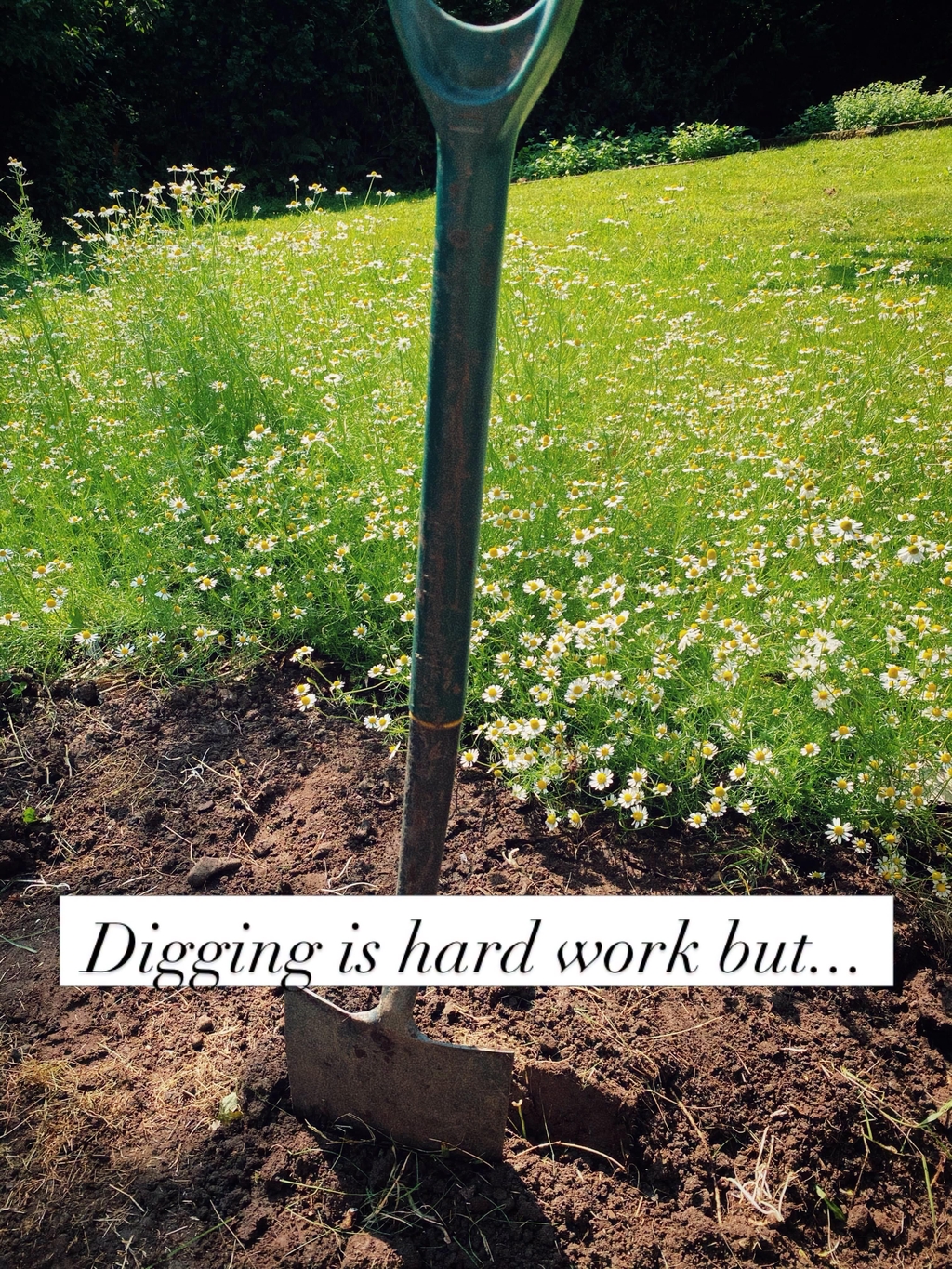
And our thoughts are of course now turning towards the winter too, and the work required to prepare the gardens for next year. Aside from ensuring the newly established mint, lemon balm, chamomile, raspberry leaf and (ha!) nettle beds remain weed-free, at this time of year the ground (especially areas post-occultation) will be relatively easy digging, and with 50 m² now dedicated to herbs, we’ll have to ensure that the soil is in a good state for spring planting. It is an exciting prospect, although after spending much of this summer trying to keep up with the business indoors, we are beginning to appreciate that there is a considerable difference between making plans and actually finding the time to carry them out.
One of the things we've enjoyed most about re-establishing The Herb Farm has been learning to work with the seasons again. Rachel's grandparents, Harry and Rosemary, first established their business here in the late 1940s, and although we are no doubt approaching things differently, we're gradually developing our own understanding of the land and what it might produce. Our long-term ambition remains to grow as many of our herbal ingredients as possible here in Ivegill, eventually taking them all the way from seed to finished tea. We're not there yet, of course, but every successful plant, every harvest and every new lesson brings us a little closer. It's satisfying work, even when the weather, the weeds or the demands of running a small business conspire to make it rather more challenging than expected.
Autumn also brings a welcome change in our tea-drinking habits. We are great lovers of a proper cup of tea – our Herb Farm Tea is just that – but as the evenings draw in and the temperature begins to fall, we find ourselves increasingly turning towards herbal infusions. There's something especially pleasant about putting the kettle on after a cold afternoon outdoors, and a good herbal tea makes an excellent alternative when you've already had quite enough caffeine for one day. Many people are familiar with peppermint or chamomile, but there is a wonderful variety of flavours to explore beyond these old favourites, particularly when herbs, roots and spices are combined thoughtfully. Indeed, one of the pleasures of blending is discovering how a handful of relatively simple ingredients can produce something quite distinctive.
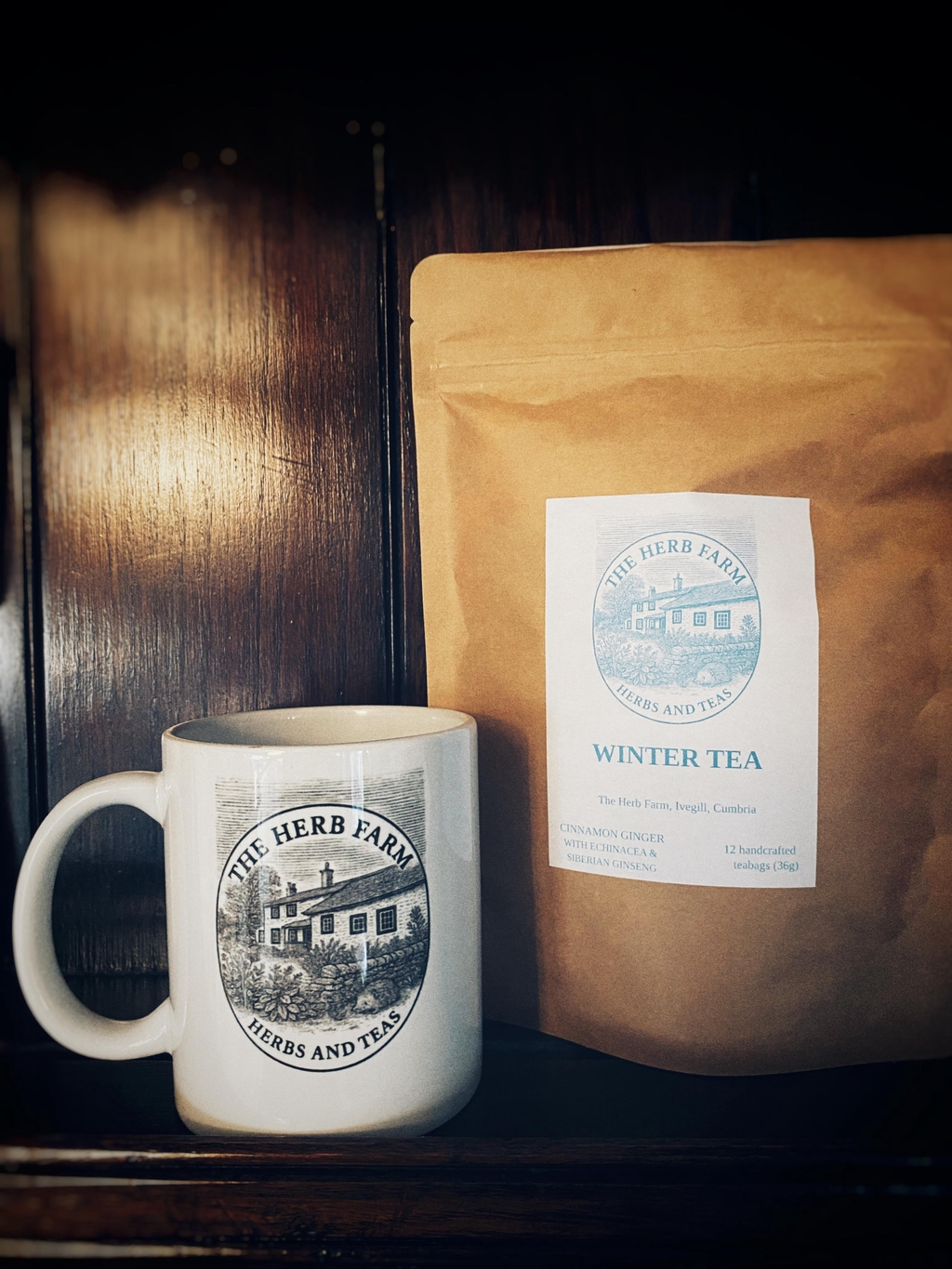
Our Winter Tea has become a particular favourite of ours for this time of year. It combines cinnamon and ginger with echinacea and Siberian ginseng, producing a warming, aromatic infusion with a pleasantly earthy herbal character. The cinnamon provides that familiar sweetness and spice and the ginger brings warmth and liveliness, while the botanical combo of echinacea and Siberian ginseng is a herbalists’ must-have winter go-to. It's naturally caffeine-free, making it a lovely choice for the evenings, and we think it offers something rather different from the usual supermarket herbal teas. It's blended here at The Herb Farm using whole botanical ingredients, with our teabags filled and tied individually by hand. We also make a loose-leaf version for those who prefer brewing their tea in a pot. Neither requires any particular expertise to prepare; simply use freshly boiled water and allow the ingredients a good five minutes to infuse, giving them time to release their flavours.
Although Winter Tea is unlikely to ever be made from herbs grown in our own garden, it represents another important part of what we're trying to establish here. Alongside our ambitions for home-grown ingredients, we want to offer unique teas that are botanically serious, simply enjoyable and made with artisanal care, whether they're familiar favourites or something our customers might not otherwise have encountered. We've been enormously encouraged by the response to our blends over the past year, and it remains a delight to see them finding their way into homes, village shops and independent businesses across the county and now beyond. We hope that, as the gardens mature and our experience grows, more and more of those teas will have their beginnings in the soil just outside our door.
For now, however, there is still plenty to be done before winter arrives properly. The gardens must be prepared, the last of the herbs attended to, and another year's worth of plans considered over the coming months. Happily, these are all tasks that can be approached with a good cup of tea close at hand. If you're looking for something warming to enjoy during the colder evenings, particularly if you'd prefer an alternative to ordinary caffeinated tea, we'd be delighted for you to try our Winter Tea. It's available in loose leaf or in pouches of twelve individually handcrafted teabags and you can find it at stockists or here on our website, along with the Apple & Hibiscus and the rest of our range. We offer free delivery locally and on orders over £25 elsewhere in the UK.
In the meantime, we hope you're enjoying the changing season wherever you are. Autumn is a lovely time in Cumbria, even if it does have an unfortunate tendency to remind us of all the gardening jobs we meant to finish in August. Perhaps we'll get around to them next year.
Summer 2026
Nobody was entirely prepared for summer. After a slow, cold beginning to spring, Cumbria, along with the rest of the world, seemed to leap almost overnight into weeks of intense heat and no rain. Herbs are very resilient, but drought isn’t good for anybody. It has been a difficult season, and many of our gardens and farms have been affected here. At the very least, the severe dry spell meant a great deal more watering than we expected from a Cumbrian summer and also meant some of our other garden plans simply didn’t work out. Of course, we saw dreadful news from around the country and our heart went out to everyone struggling in far worse conditions than we had.
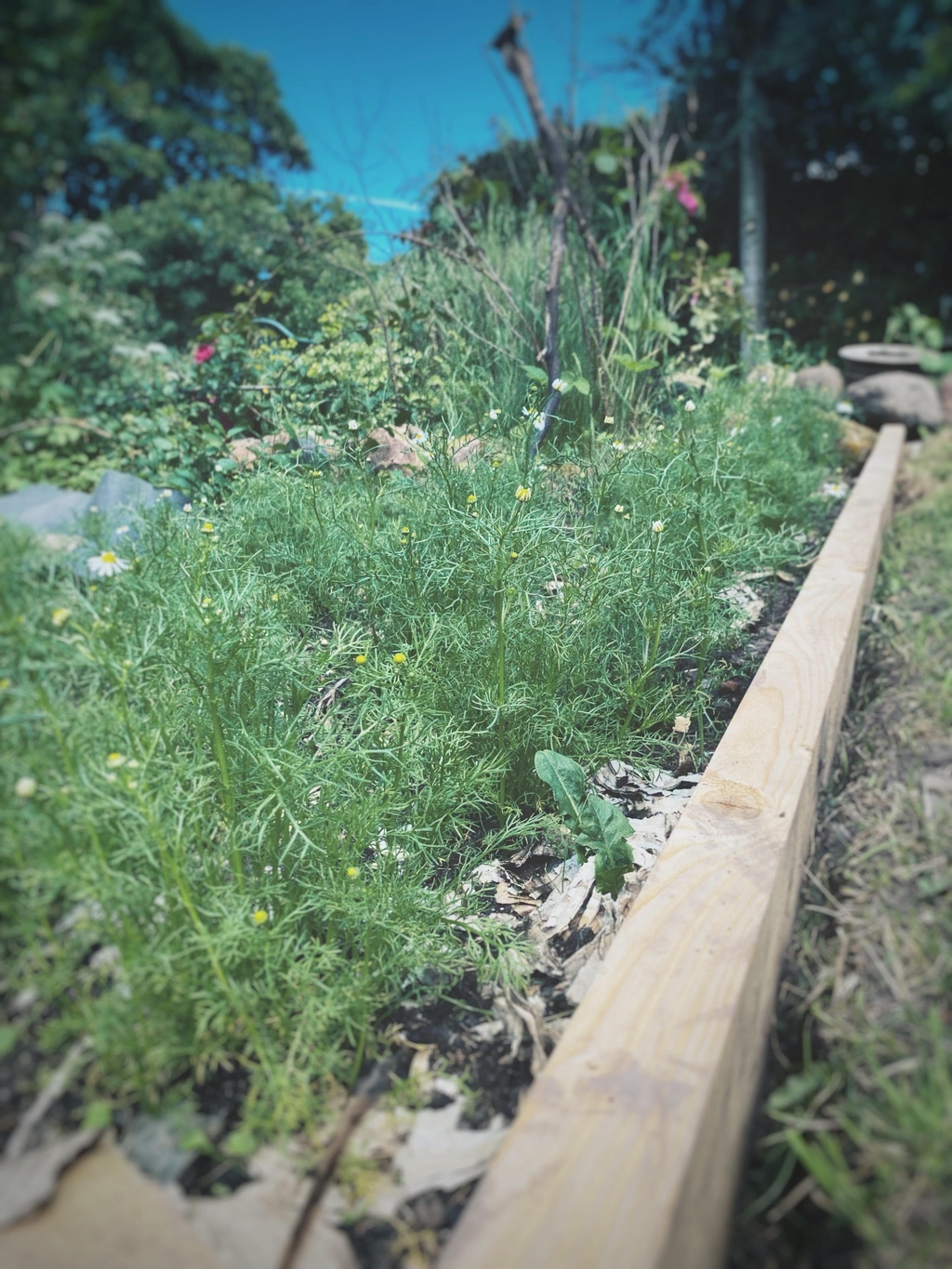
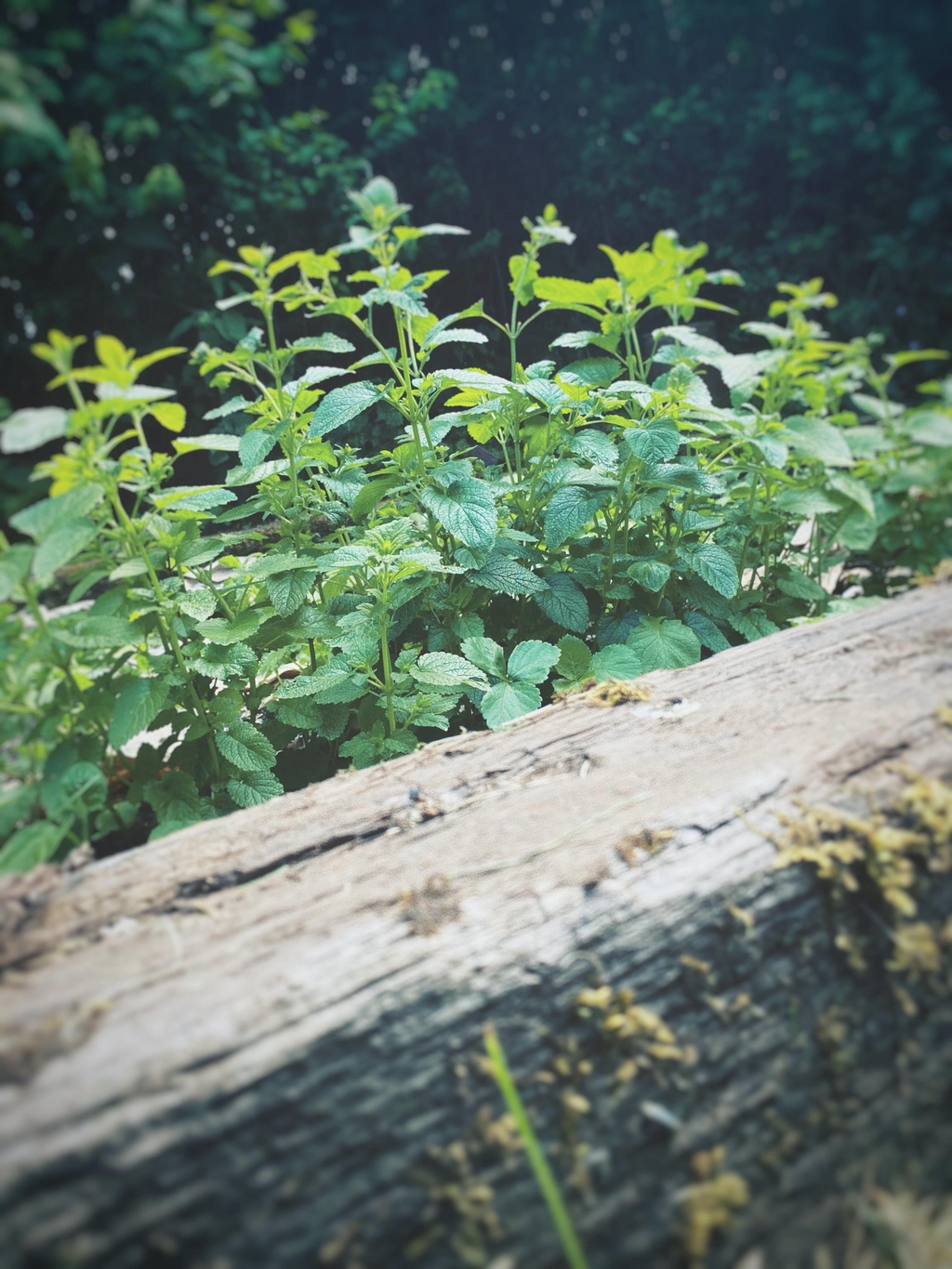
However, here in the herb gardens at least we can say the mint started to spread, as mint tends to once it has decided somewhere belongs to it (or even if it belongs to someone else). Our lemon balm plants, many of them tiny seedlings only a few months ago, have done likewise. The chamomile flowered, the lemon verbena exploded in growth both inside (and, for now, outside; an experiment) and both our raspberry and nettle patches have established themselves.
That means that the little collection of plants we were talking about rather hopefully in spring is beginning, slowly, to resemble a usable supply.
Mint, lemon balm, chamomile, lemon verbena, raspberry leaf and nettle are all plants we already use in our teas, so there is something enormously satisfying about walking past great bushes of them outside. The long-term aim has always been to grow the herbs we use ourselves here at The Herb Farm. We are not there yet, but this summer it has begun to feel less like an idea written in a notebook and more like something genuinely underway. Of course, drinking all of these herbal teas fresh from the garden has been absolute treat and for once John hasn't had to worry about picking at his favourites too often – he now has rather more than he needs.
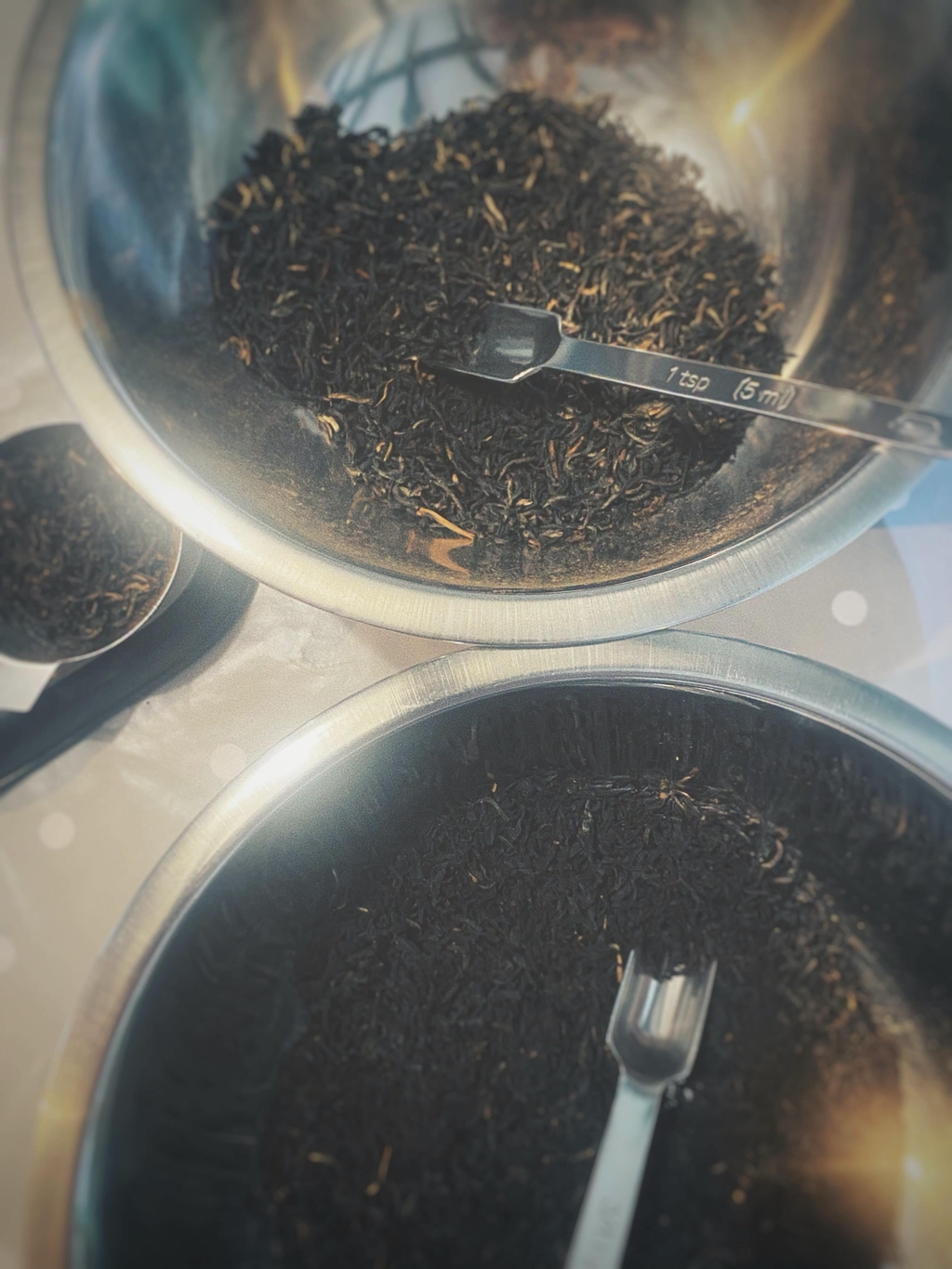
There has also been another slight difficulty: we accidentally started a thriving little tea business! When we began bringing The Herb Farm back to life last winter, we hoped that people locally might be interested in what we were doing. What we did not entirely anticipate was quite how quickly the tea side of the business would grow. There have consequently been days when the weeds have been flourishing outside while we have been indoors blending, weighing, packing, labelling and wondering where on earth the afternoon went.
It is, of course, a very nice problem to have.
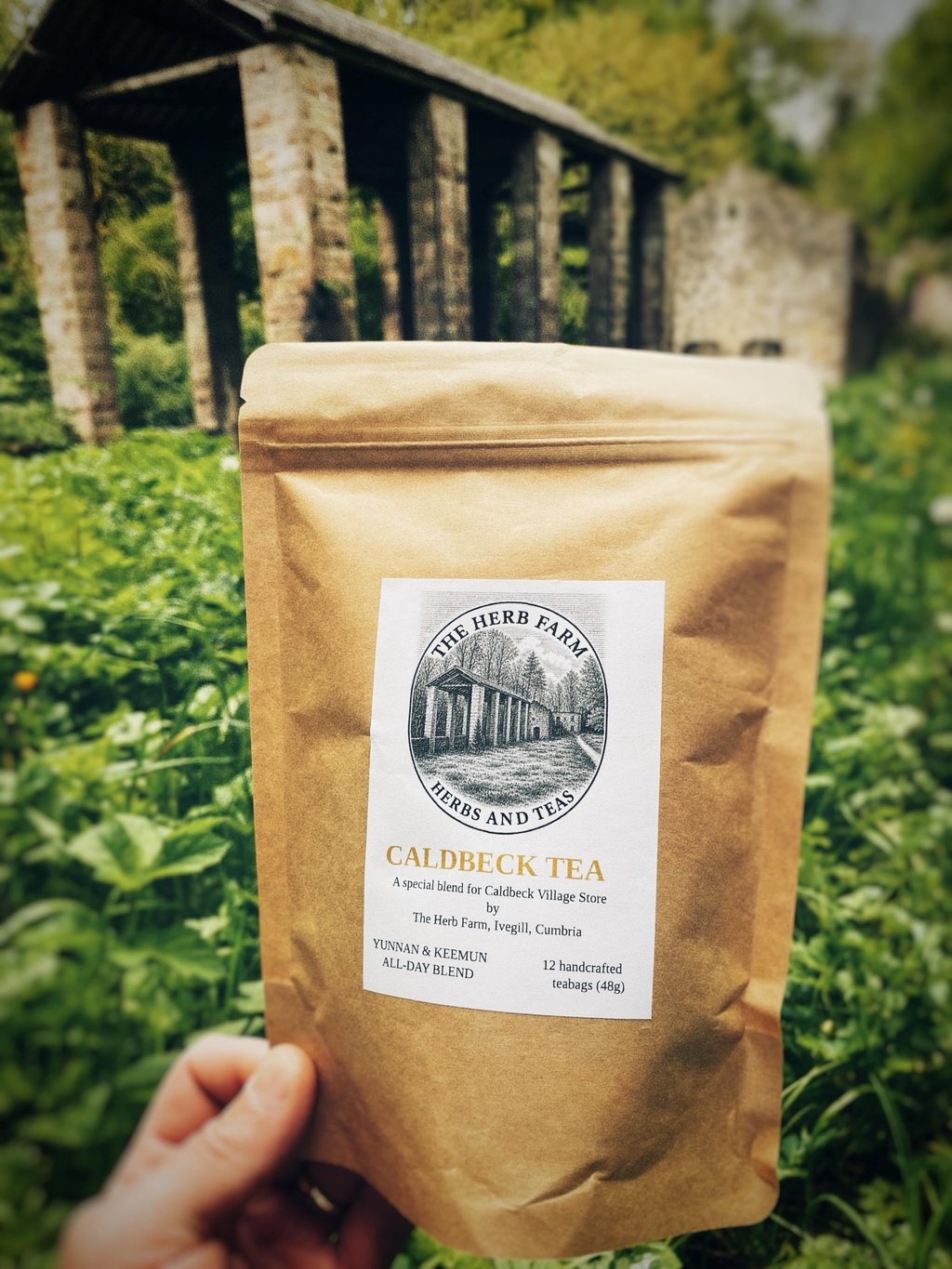
Over the summer we have had the wonderful experience of seeing Herb Farm teas appearing on shelves and counters around Cumbria, including places such as J&J Graham, Basecamp, Brampton Farm Shop and Caldbeck Village Shop. There is still something faintly surreal about walking into a shop we know and finding our own teas there.
We have also been able to do some of the more unusual things we hoped The Herb Farm might eventually allow us to do. We created bespoke teas for The Ridge Retreat and Spa at Walton, and were delighted to work with the impressive Wilder Retreat weekend near Coniston. These sorts of collaborations are becoming one of our favourite parts of the business. Tea is wonderfully adaptable, and being asked to create something specifically for a place, an event or a group of people takes us back to the experimental, creative side of blending that got us interested in all this in the first place.
Tea and poetry have been getting mixed together too.
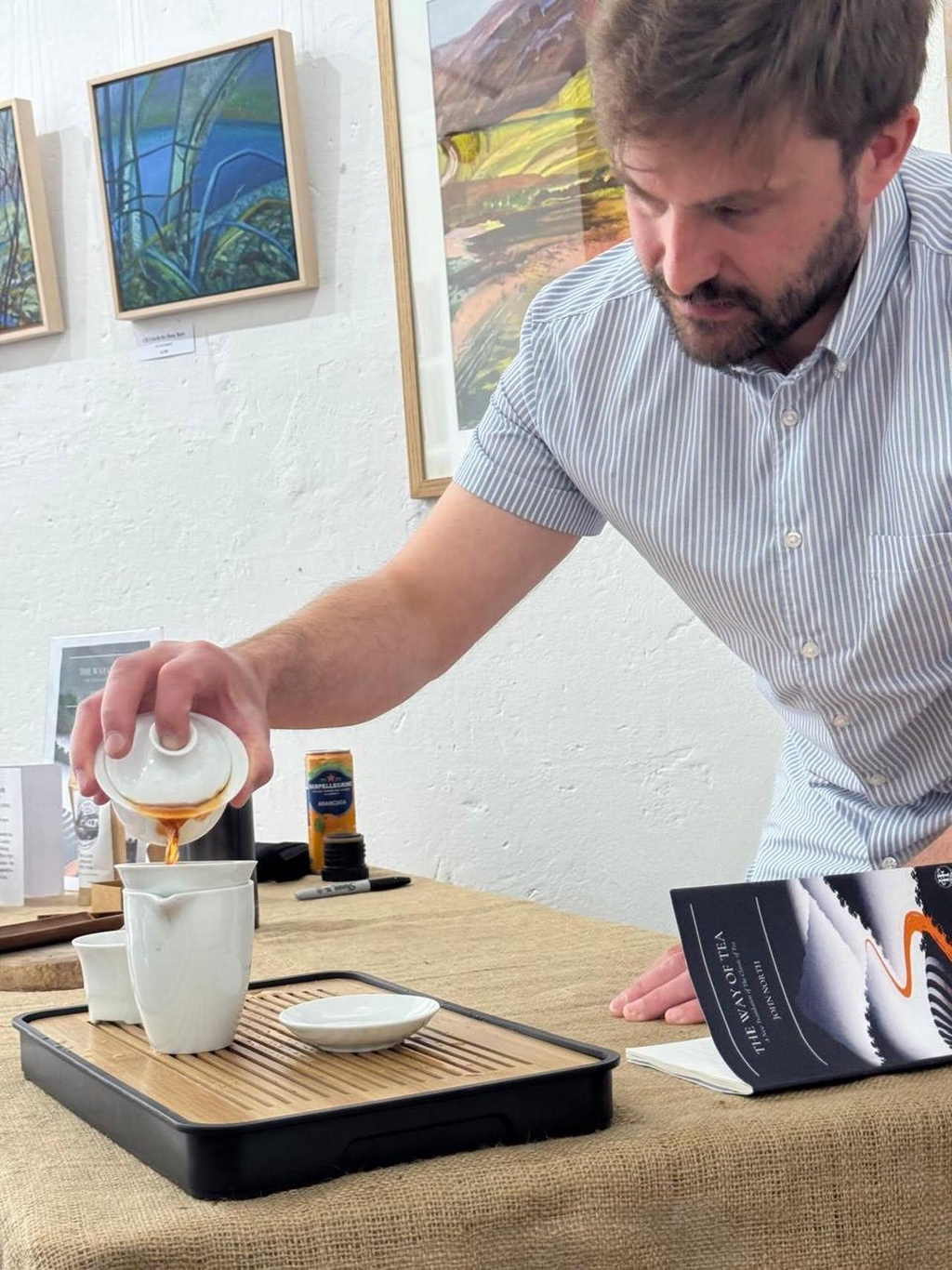
John has been taking tea and poetry out into the world with events at places including Hallbankgate Hub and The Book Nook in Kirkby Stephen. Another is coming up at Penrith Library in time for National Poetry Day. We have always thought of The Herb Farm as being about rather more than simply putting tea into teabags (however good that tea might be) so it has been lovely to discover that other people are willing to sit down, drink the stuff and talk about poems with us as well.
All of this has meant that the garden has sometimes had to wait its turn.
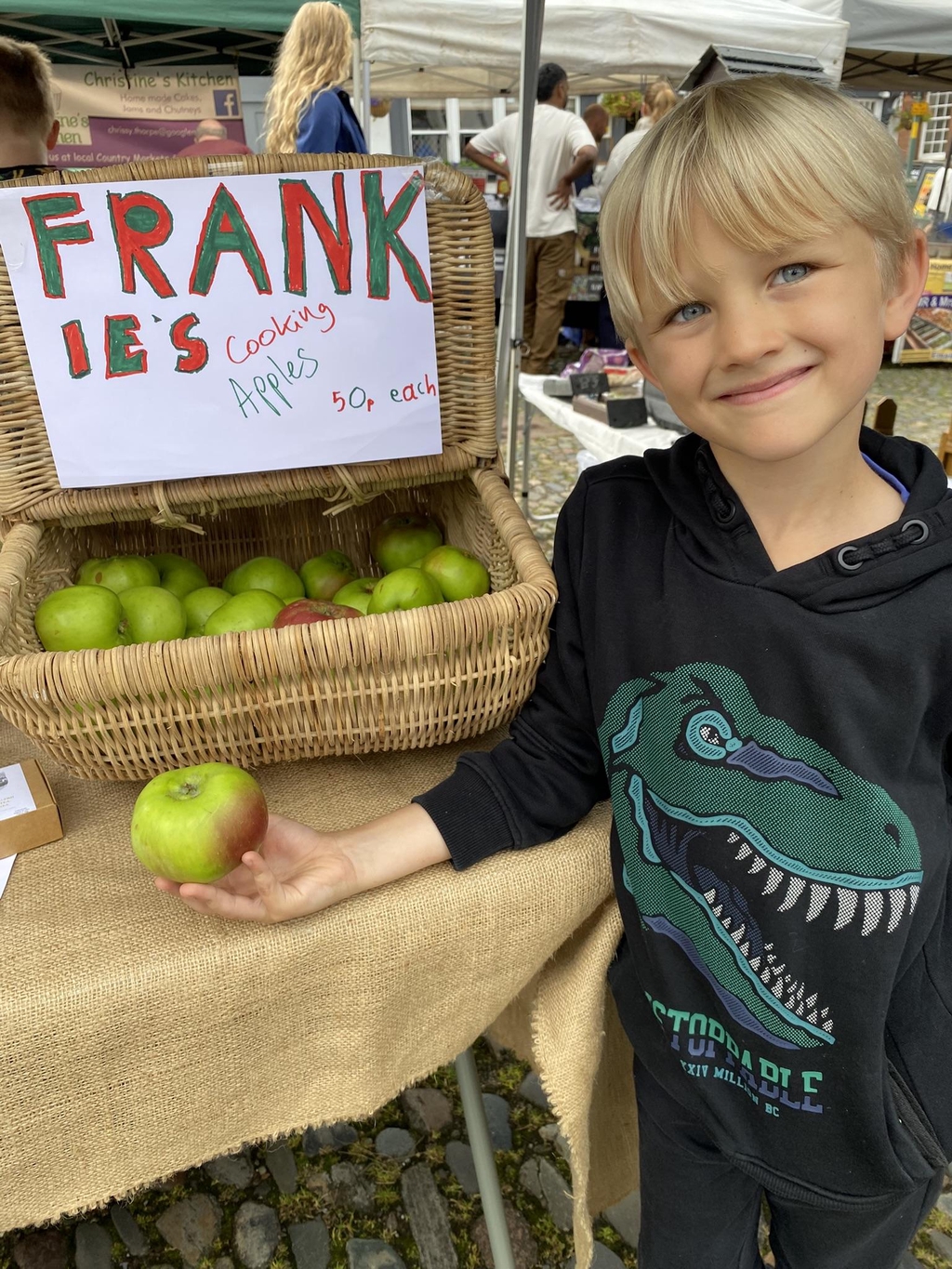
Our plans remain the same, though. We want to learn how to grow, harvest and dry our herbs properly on a small scale, beginning with the plants already establishing themselves here: mint, lemon balm, chamomile, nettle and raspberry leaf, with lemon verbena under protection. Oh, and the apples from the garden are also very much part of our plans and thank you to all of those at Brampton Farmers Market who indulged our 8 year old by buying his bags of cooking apples last market.
Summer has not been entirely straightforward away from the herbs and teas either. Alongside the drought and the rapidly expanding workload, some serious ill health in the family has rather rearranged our priorities at times, some of it unfortunately exacerbated by the heat. There have been weeks when simply keeping everything moving has felt like enough. But we have made it through Summer 2026 at The Herb Farm. The herbs are still growing. The kettle is on. Boxes of tea are still disappearing out of the door. And this little business, first started here by Rachel's grandparents more than seventy years ago and brought back to life last winter, is still very much alive and kicking.
Perhaps the garden does not look quite as immaculate as we imagined it might by September. But then, I imagine neither did the original Herb Farm. Things grew. That was rather the point.
Spring 2026
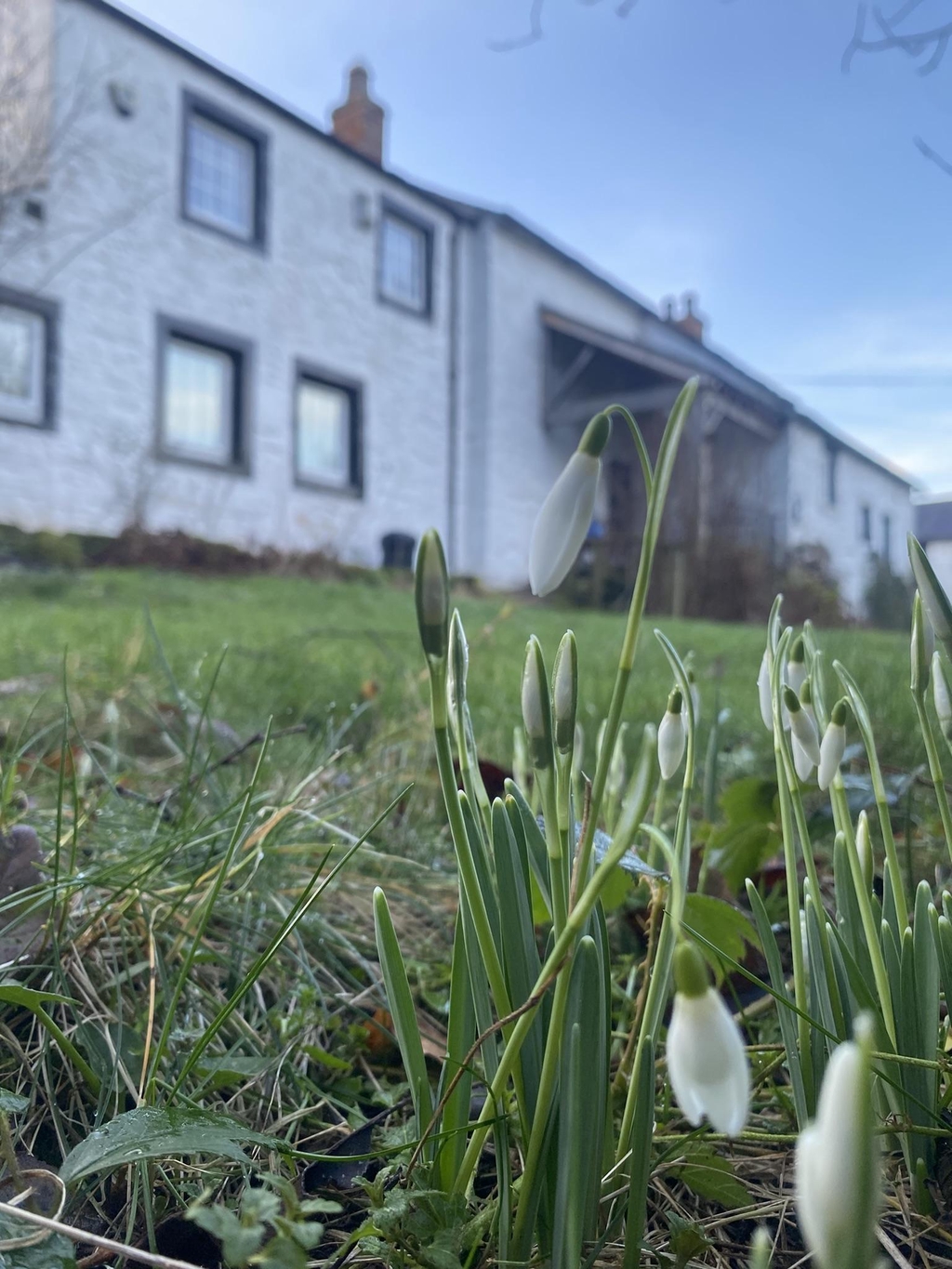
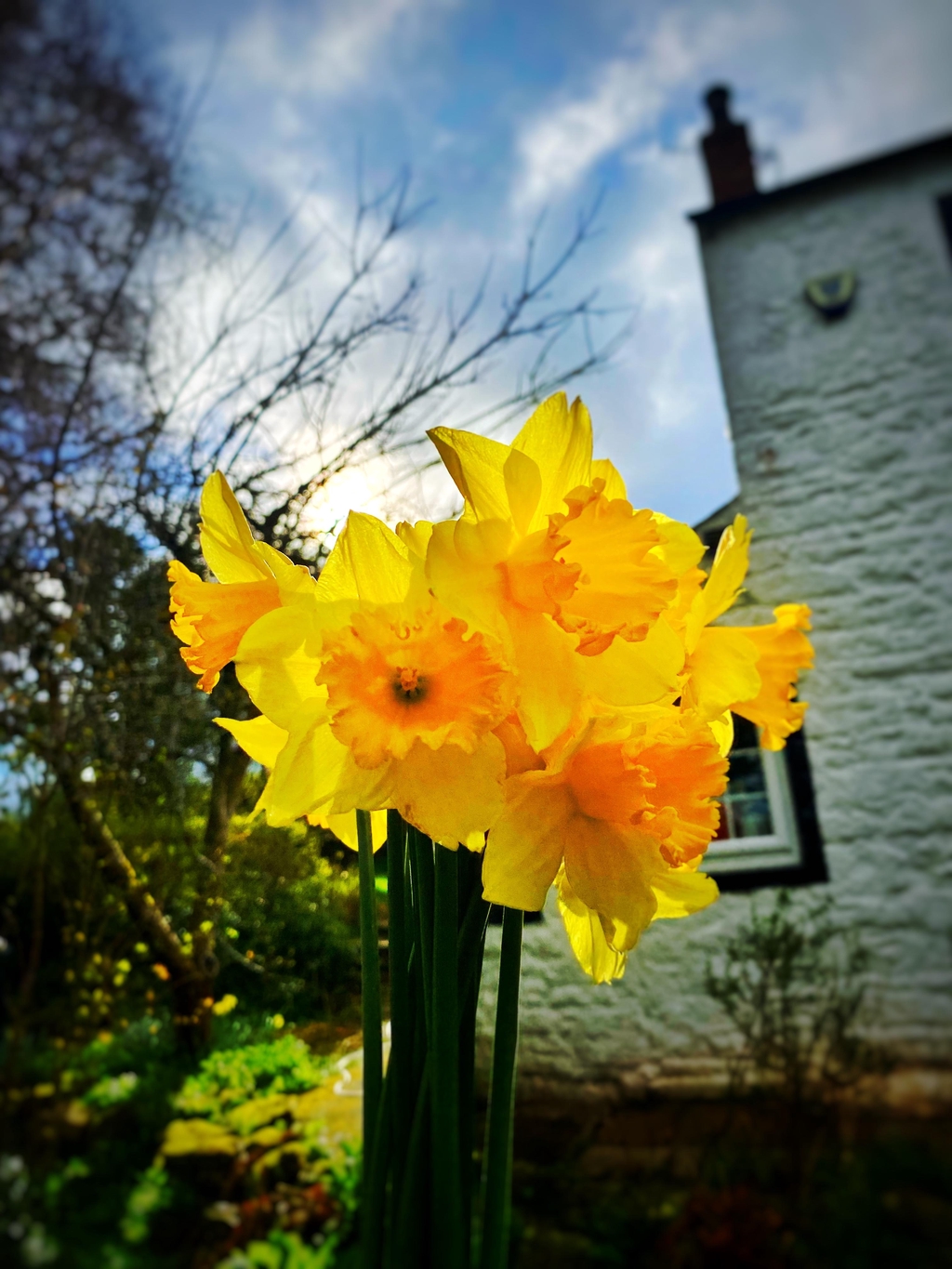
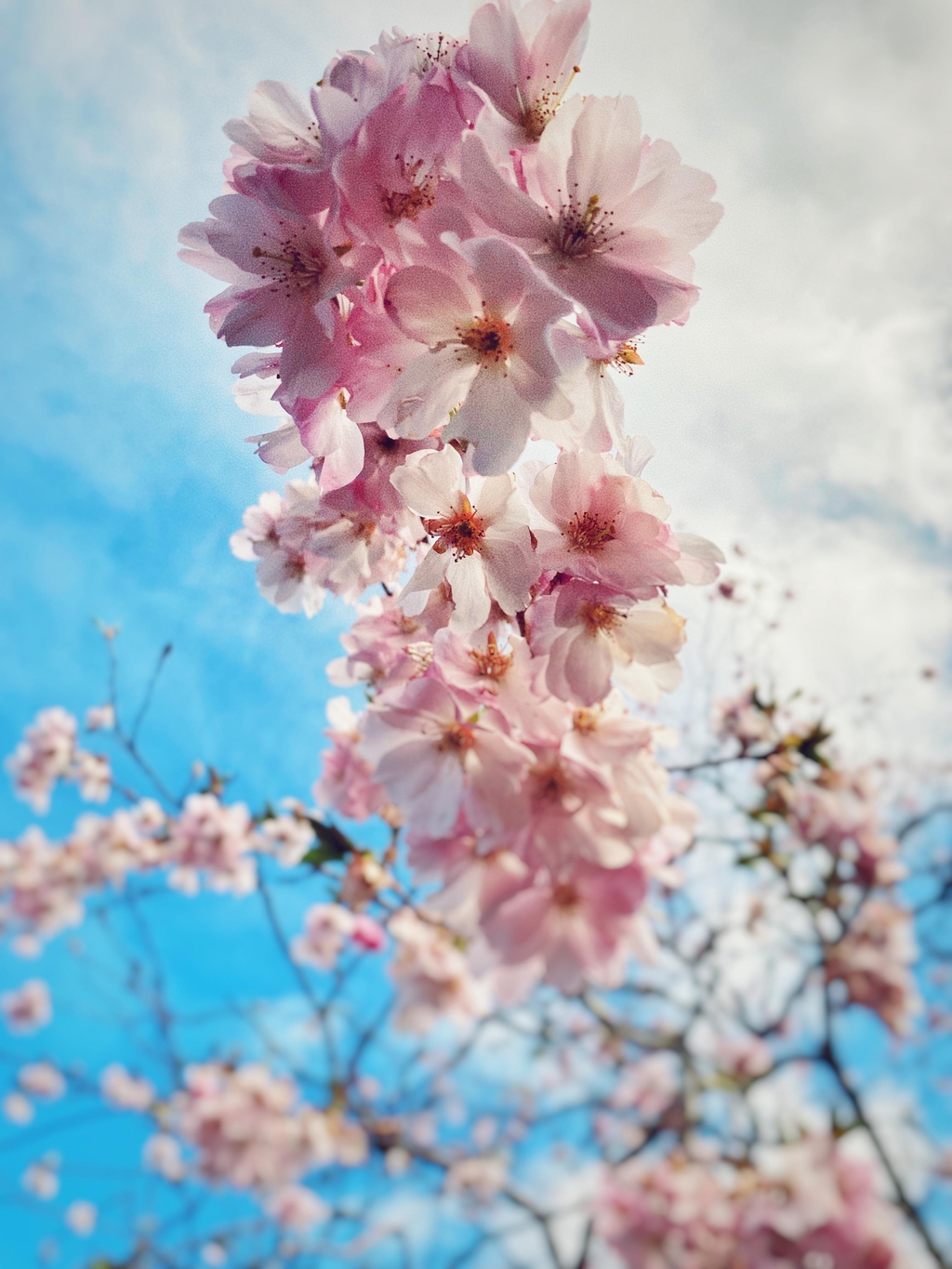
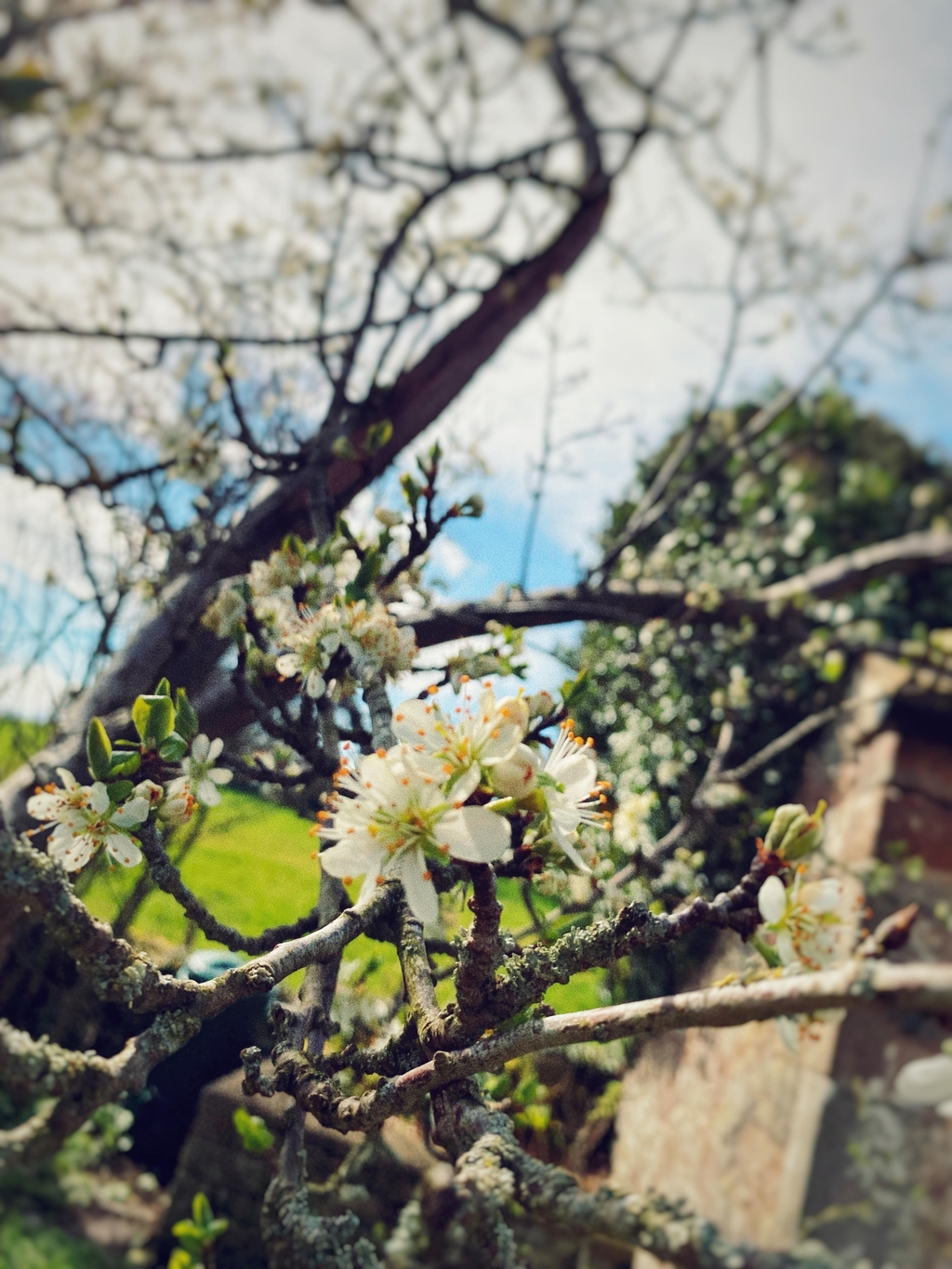
Spring! What joy! Ivegill erupted into snowdrops, then daffodils and croci, then cherry and plum blossom. A wonderful, creative, potential-filled time for gardening... and for poetry! You already know your Wordsworth, so how about John's recent creative translation of this poem by 9th Century Chinese Tang dynasty poet Wang Zhenbai:
Dawn. Plum blossom:
white silk in the wind —
the last snow
and spring.
The falling plum blossom has probably been the greatest snowfall of this year, after a cold winter but not one full of the white stuff, which is pretty typical now in this part of Cumbria. Spring itself has taken a little while to warm up, after teasing us all for a day or two in March with a brief spell of sunshine. Now in April however the sunshine has roared into life, as have the hedgerows and, last but not least, the leaves on the trees.
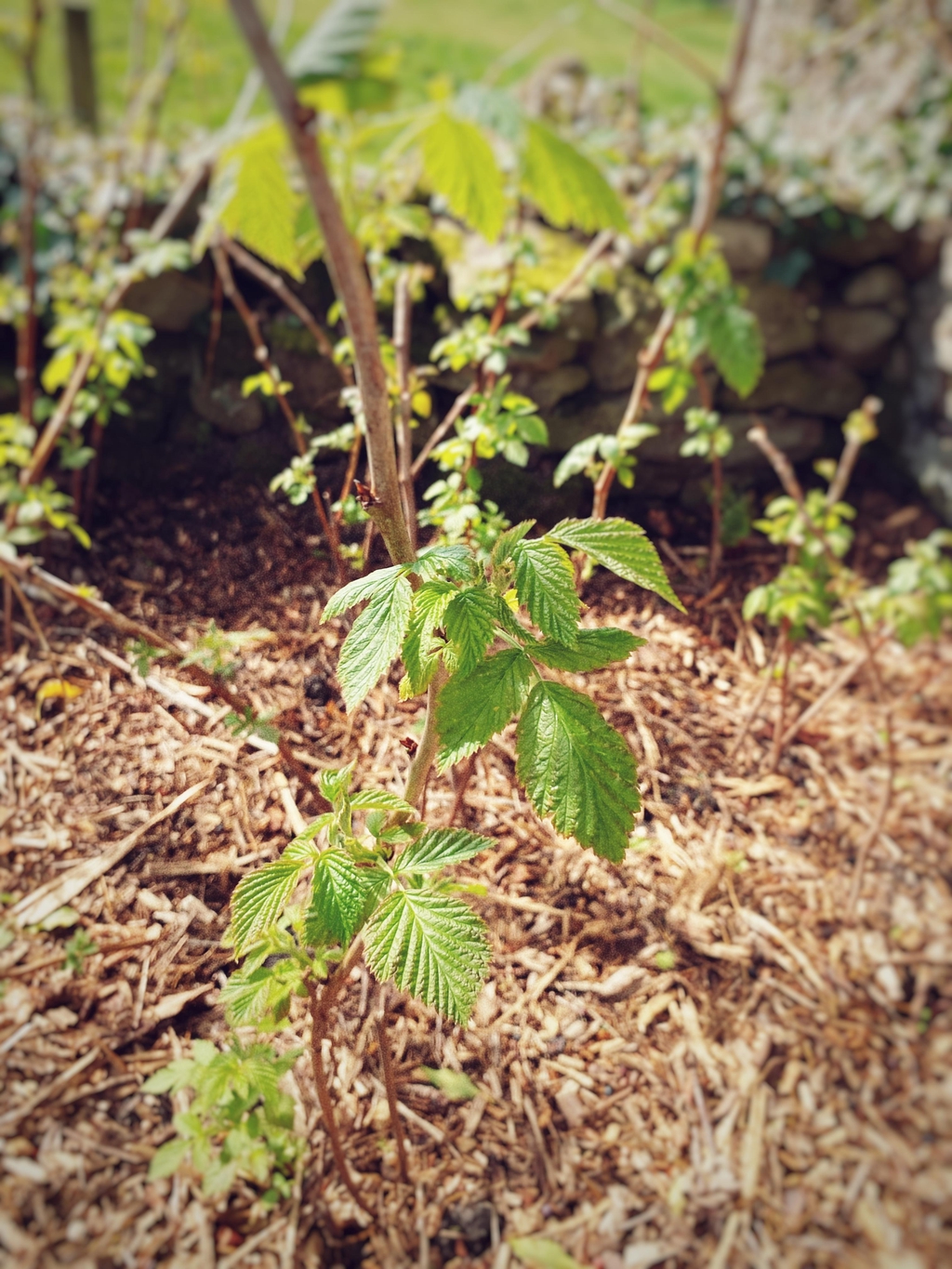
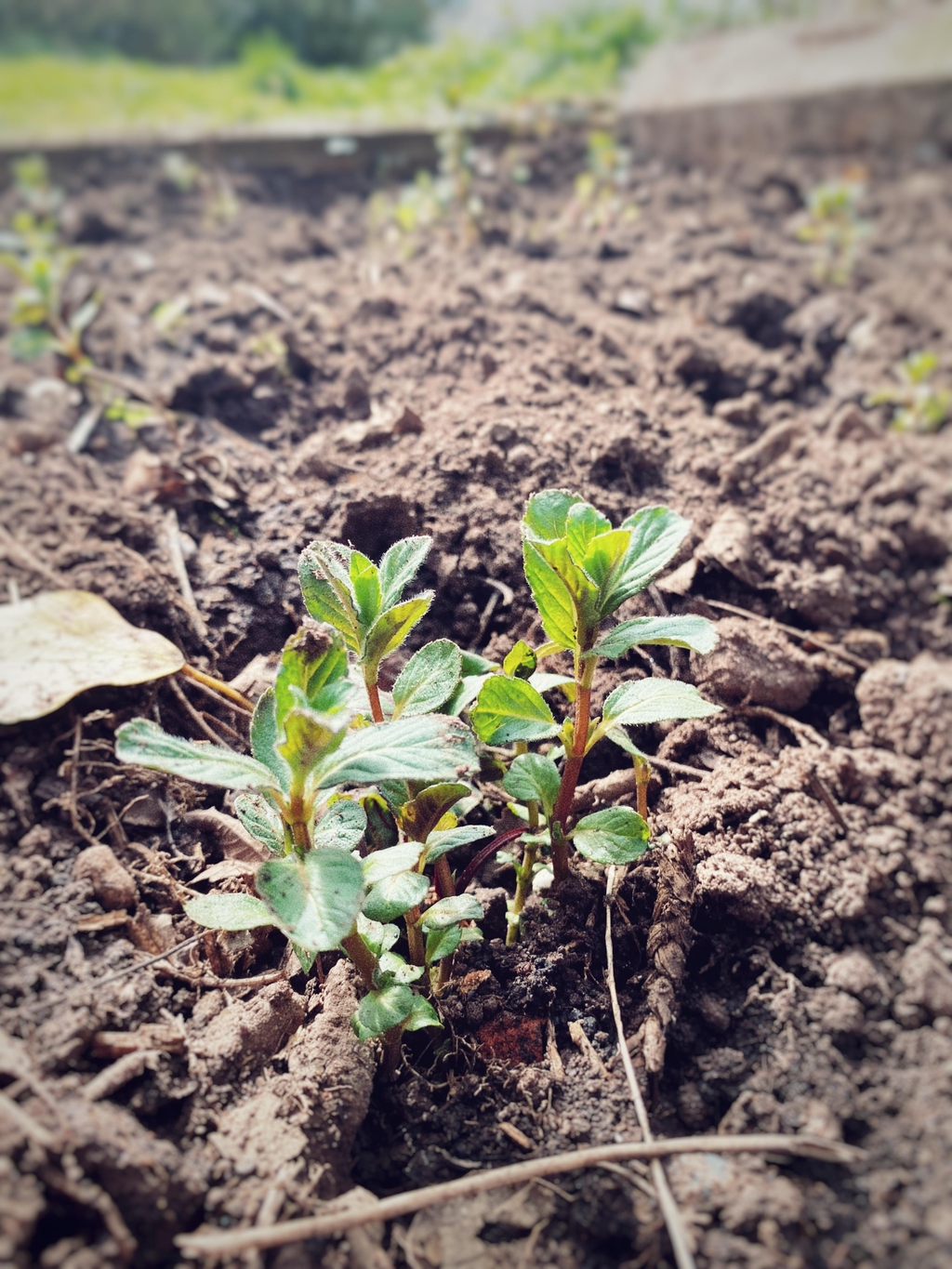
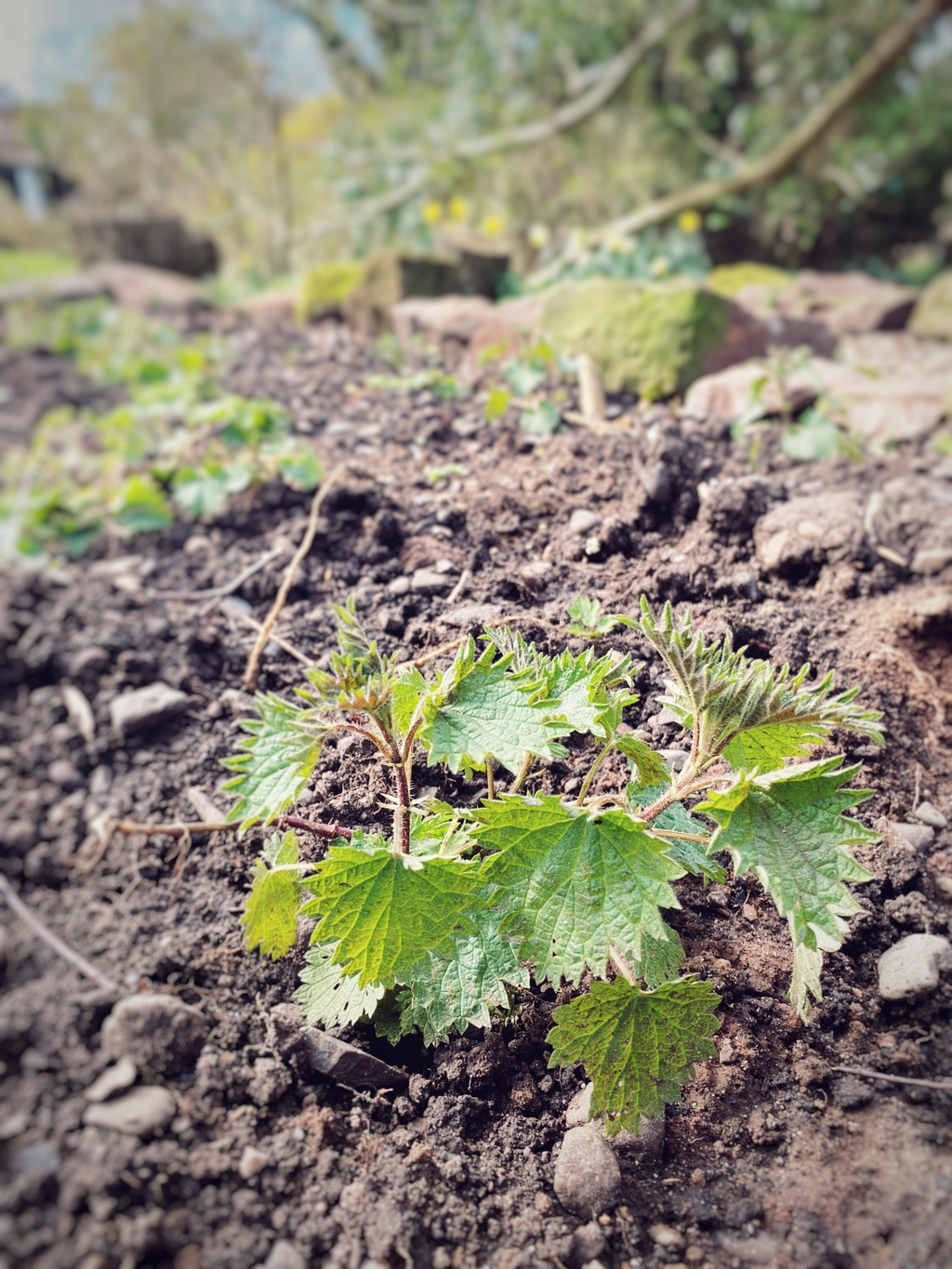
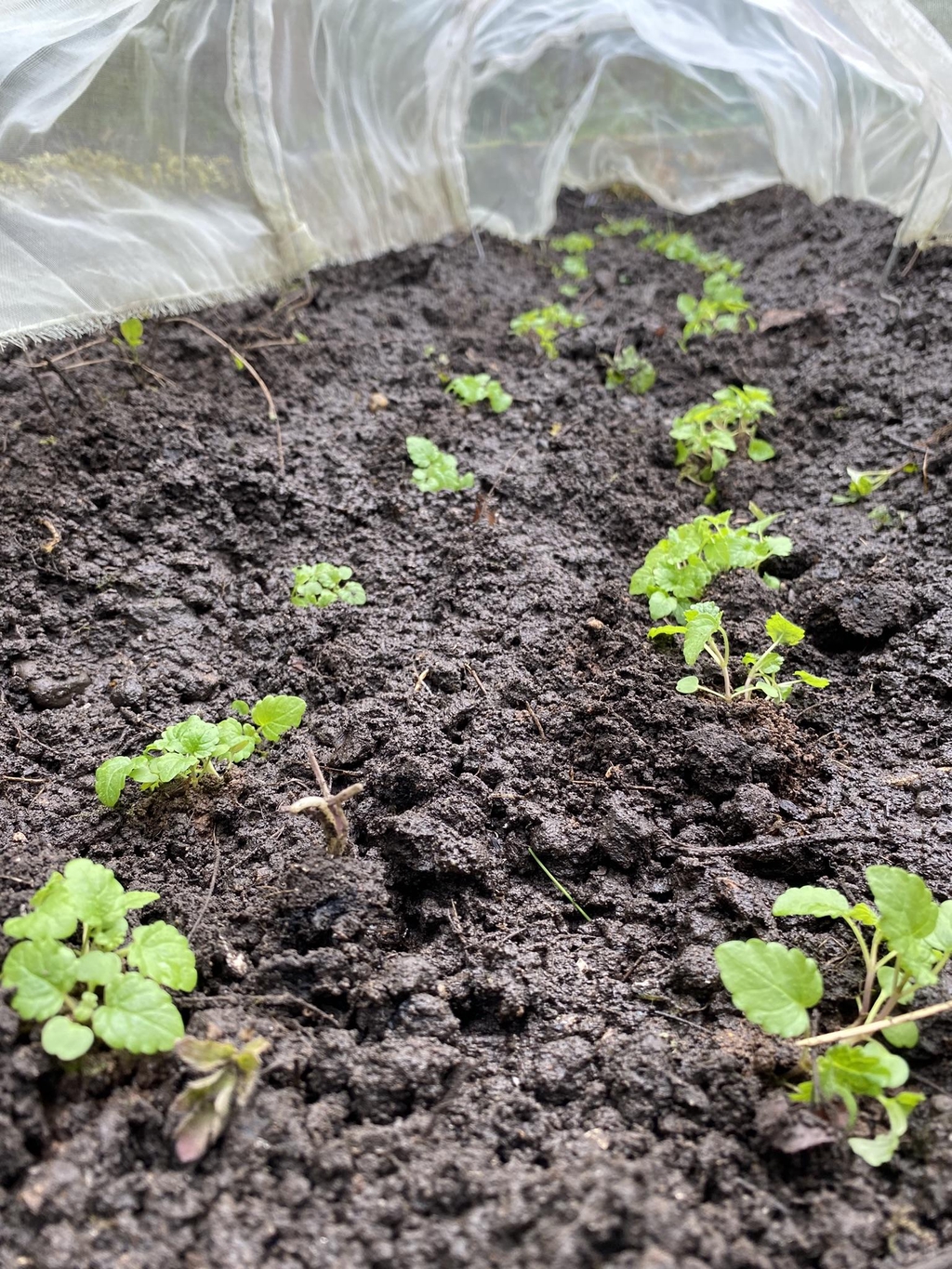
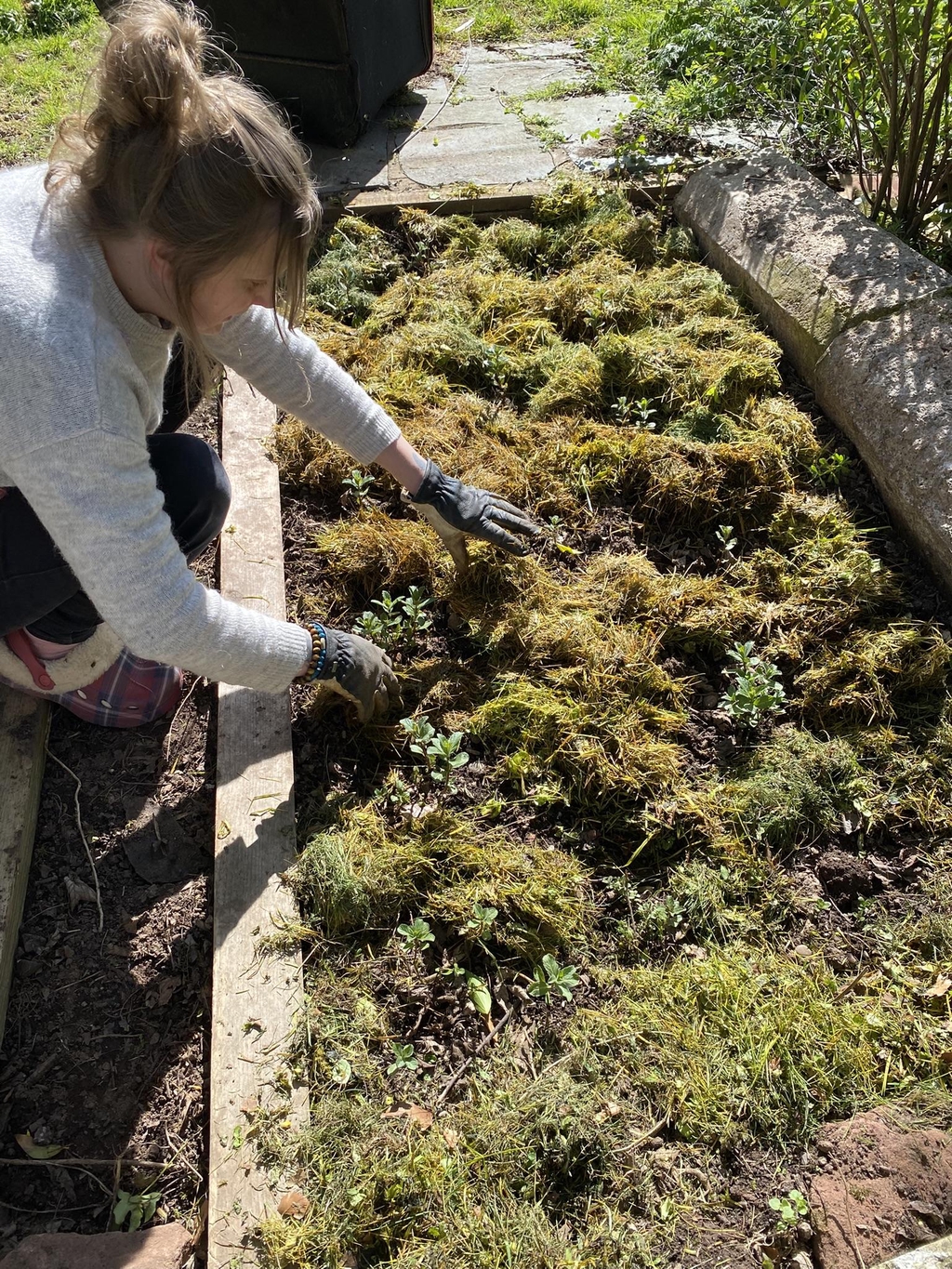
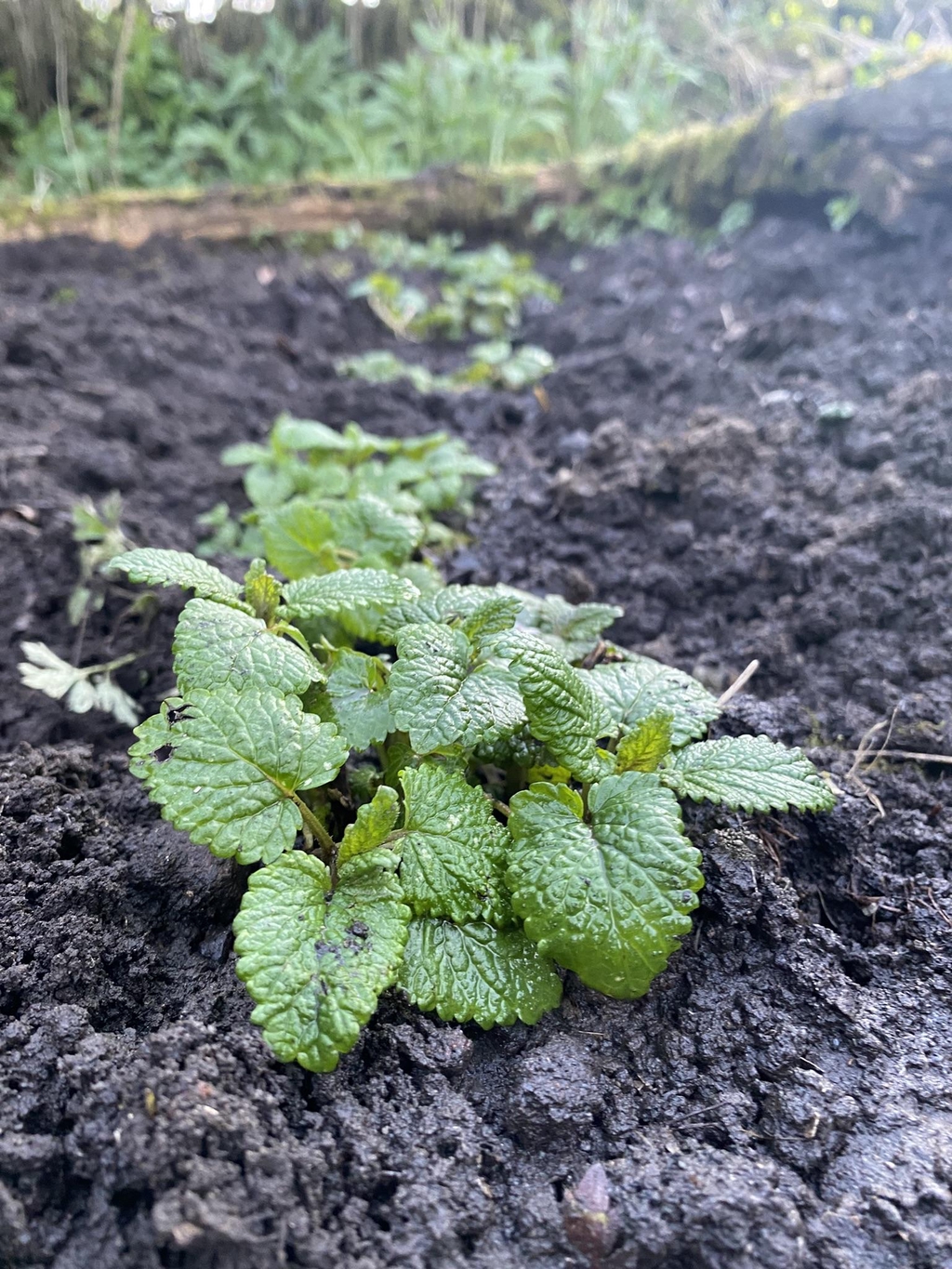
With the arrival of spring, Herbie and the team sprang into action. Having mulched four beds we had already prepared over winter, they were ready for our first crops: mint, lemon balm, nettle and raspberry leaf. We are already using all of these in tea blends and simply cannot wait to be able to use our own.
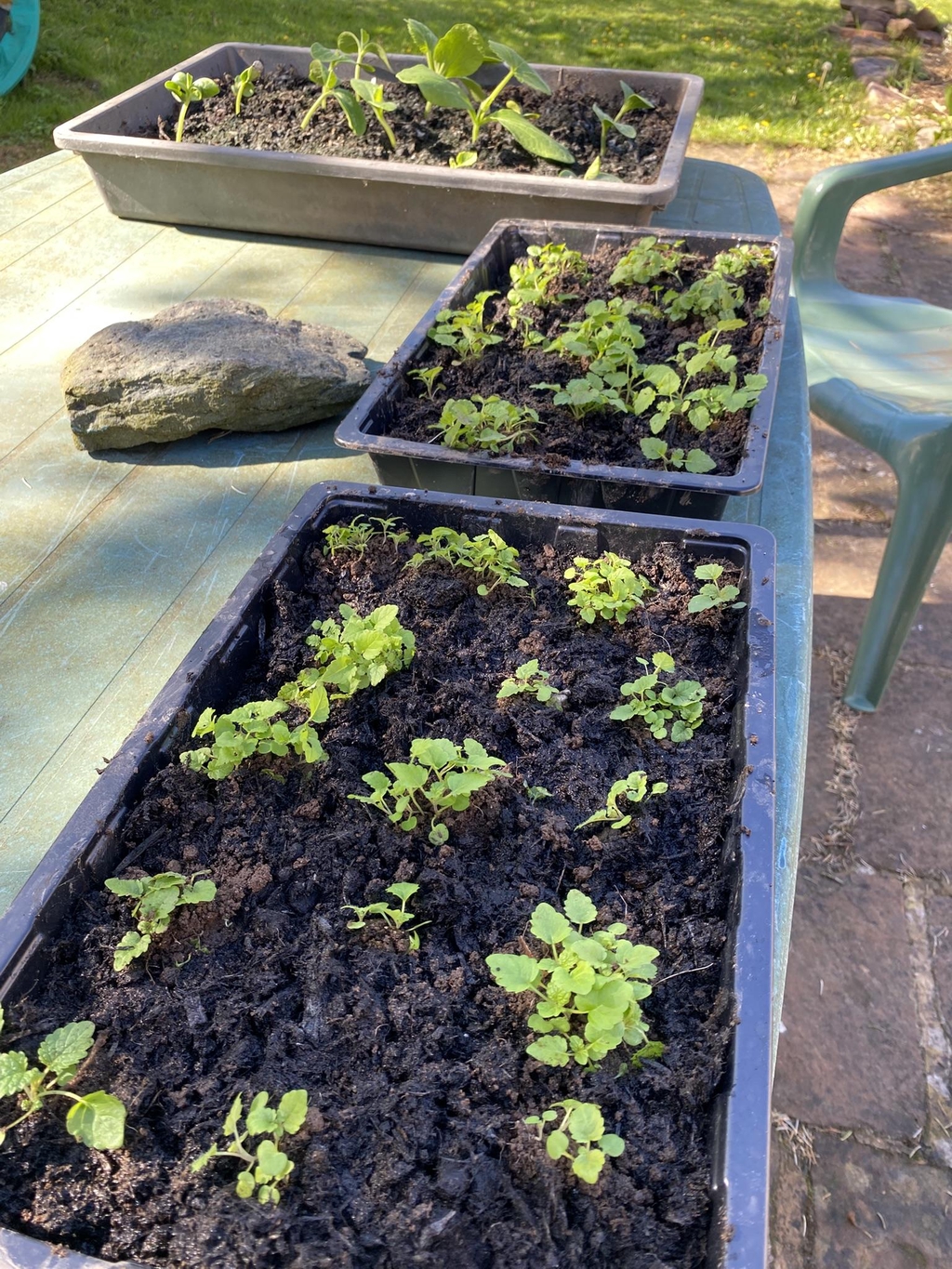
To get us started we used root divisions from friends and family for the mint; a mixture of home-grown seedlings from the greenhouse and donated transplants for the lemon balm; transplants for the nettle, and kindly donated suckers for the raspberry. We are recording all plants introduced, including source and any treatments used once planted (such as organic seaweed liquid fertiliser).
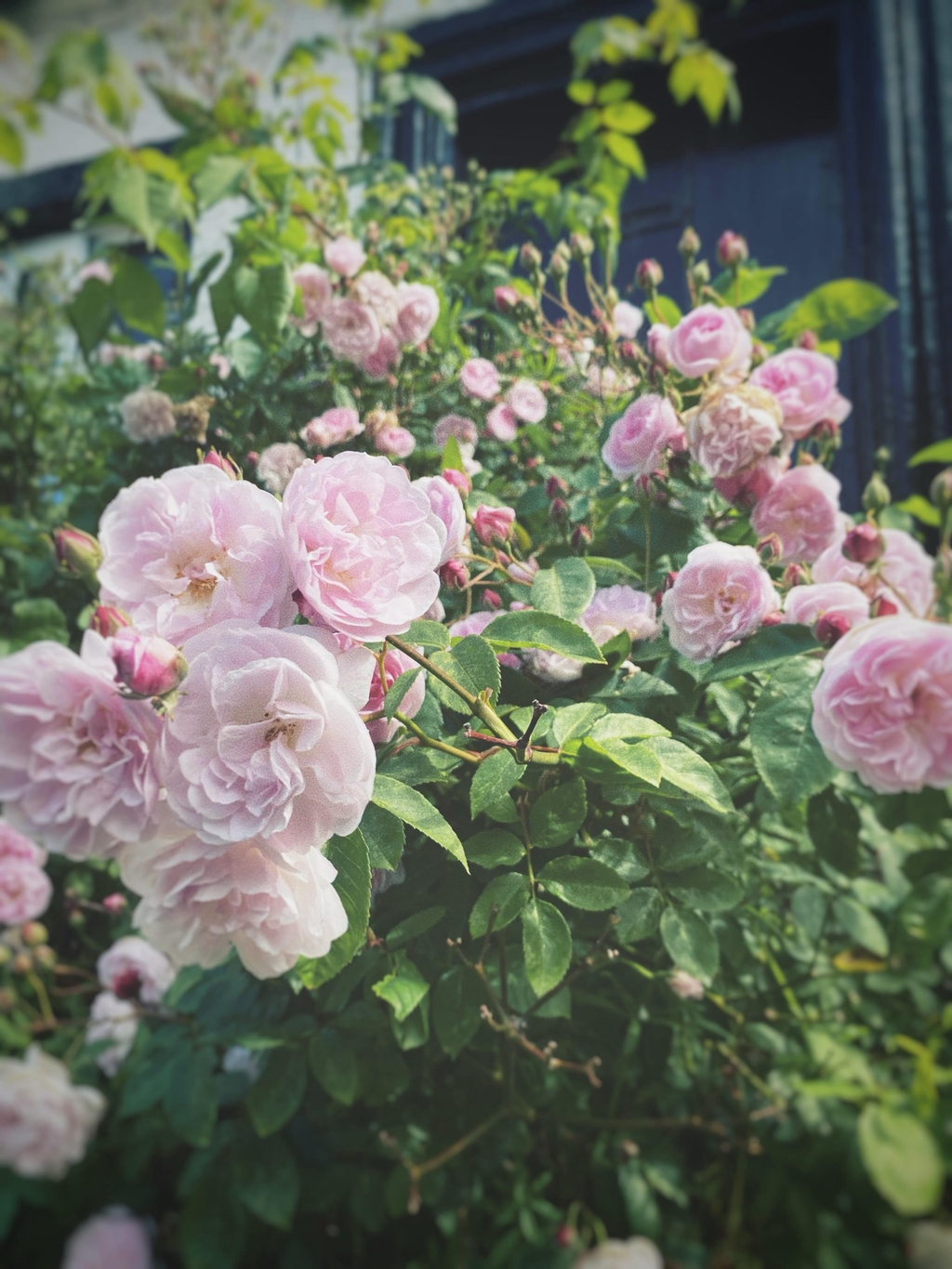
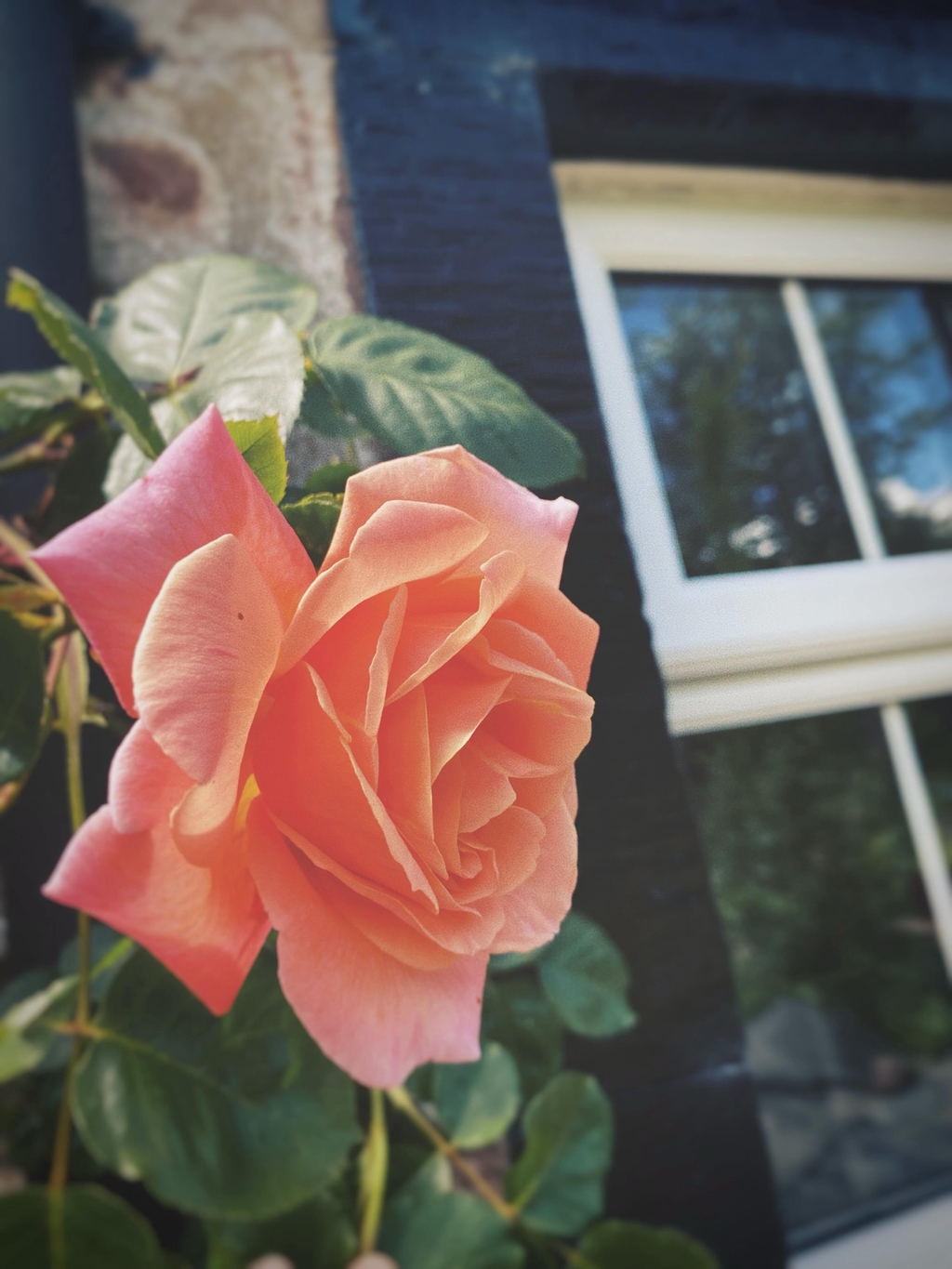
Mr. Mowdy (mole) was very active in the field next door in March, so John decided to have a bit of fun and pot up a rose that had done surprisingly well inside over winter in molehill subsoil, ready to plant out. It positively thrived and is now in the ground! Even better, the mole, clearly feeling appreciated enough by this attention, stopped short of our fence and didn't enter the herb gardens (although John swears his old trick of planting an empty glass bottle up to its neck in the ground, allowing the wind to whistle over it, keeps Mr. Mowdy away. We will get back to you when we have some more scientific evidence for this particular claim).
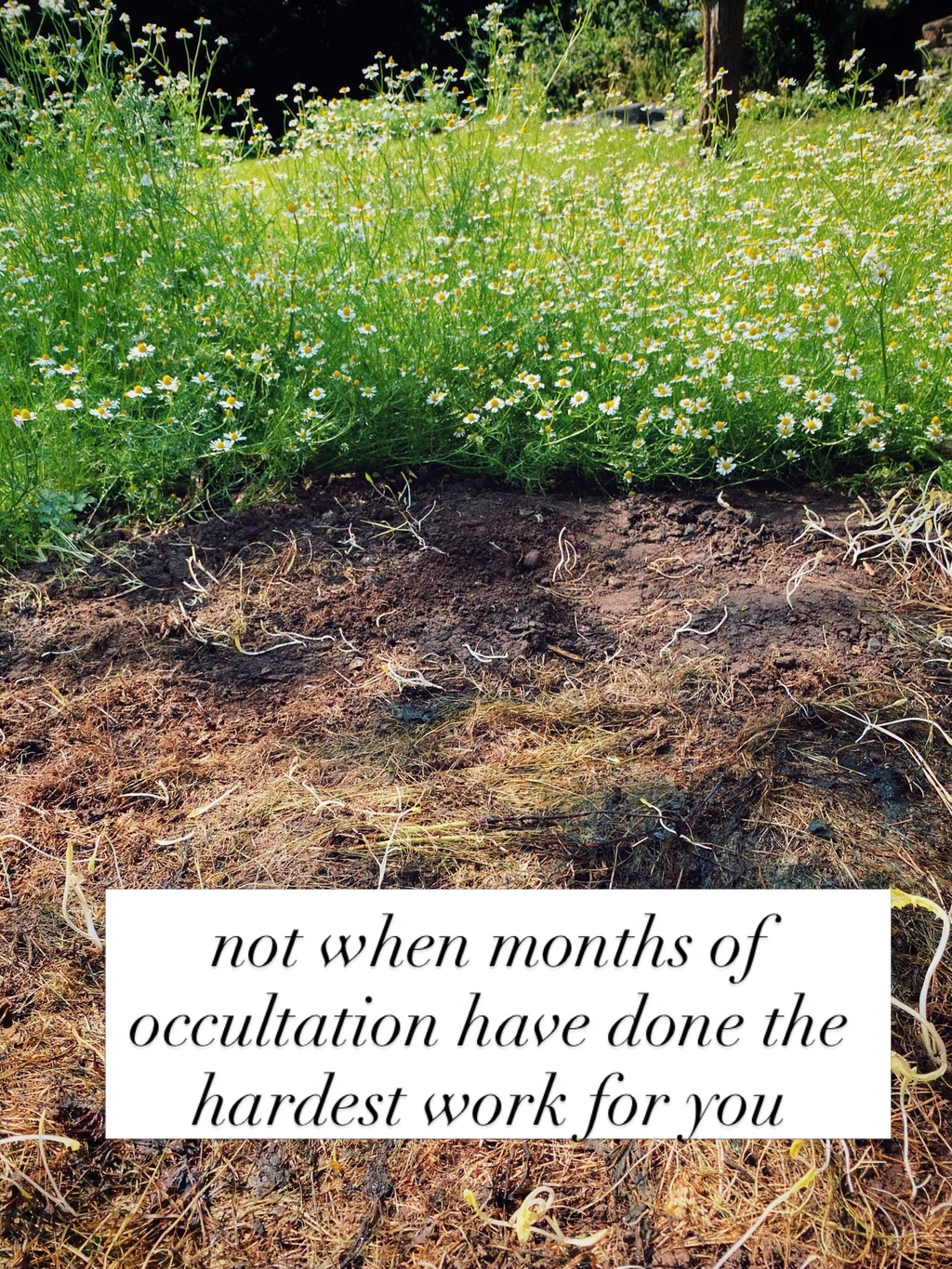
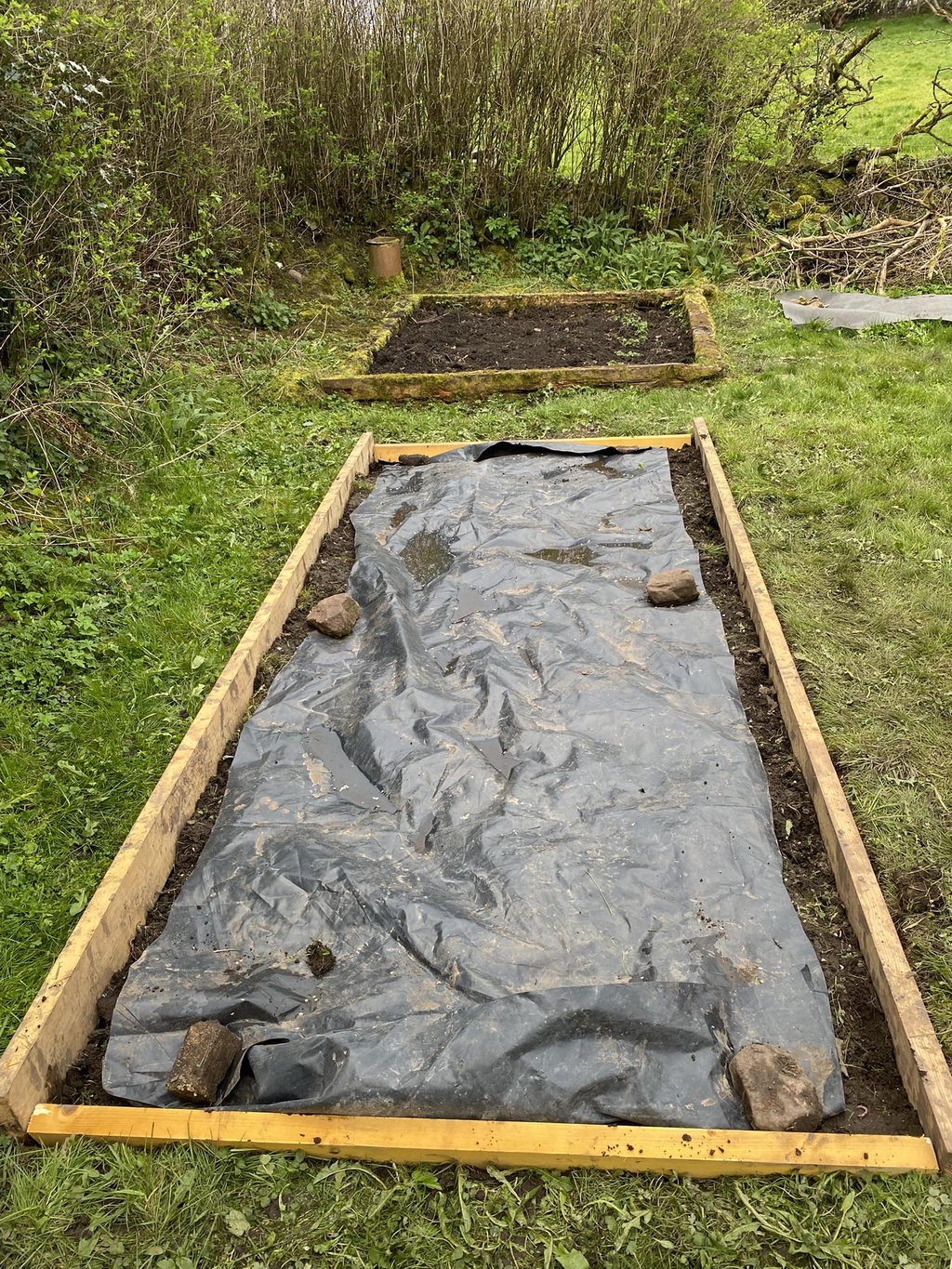
Then it was time to lift the sheeting and see how well the winter occultation had worked. The results were a little patchier than we’d hoped. We fear we may have simply tucked some of the weeds and grasses in for the winter beneath sheeting that wasn’t quite thick or opaque enough. A lesson learned.
John dug the first new bed in April, opting to simply turn the earth over onto a new layer of cardboard and re-cover with thick sheet for now. The ("ex") lawn that had overwintered beneath the sheets was not completely dead but soft and easy to turn. However, if we wanted to transform a plot into a bed faster, the real question is whether to go "no-dig" or to simply trench it out in good old-fashioned Victorian gardening style. At this stage, before the gardens are fully in production, we are giving ourselves room to experiment and learn. We may well try both approaches. Trenching and double-digging are the plan for the next bed, anyway.
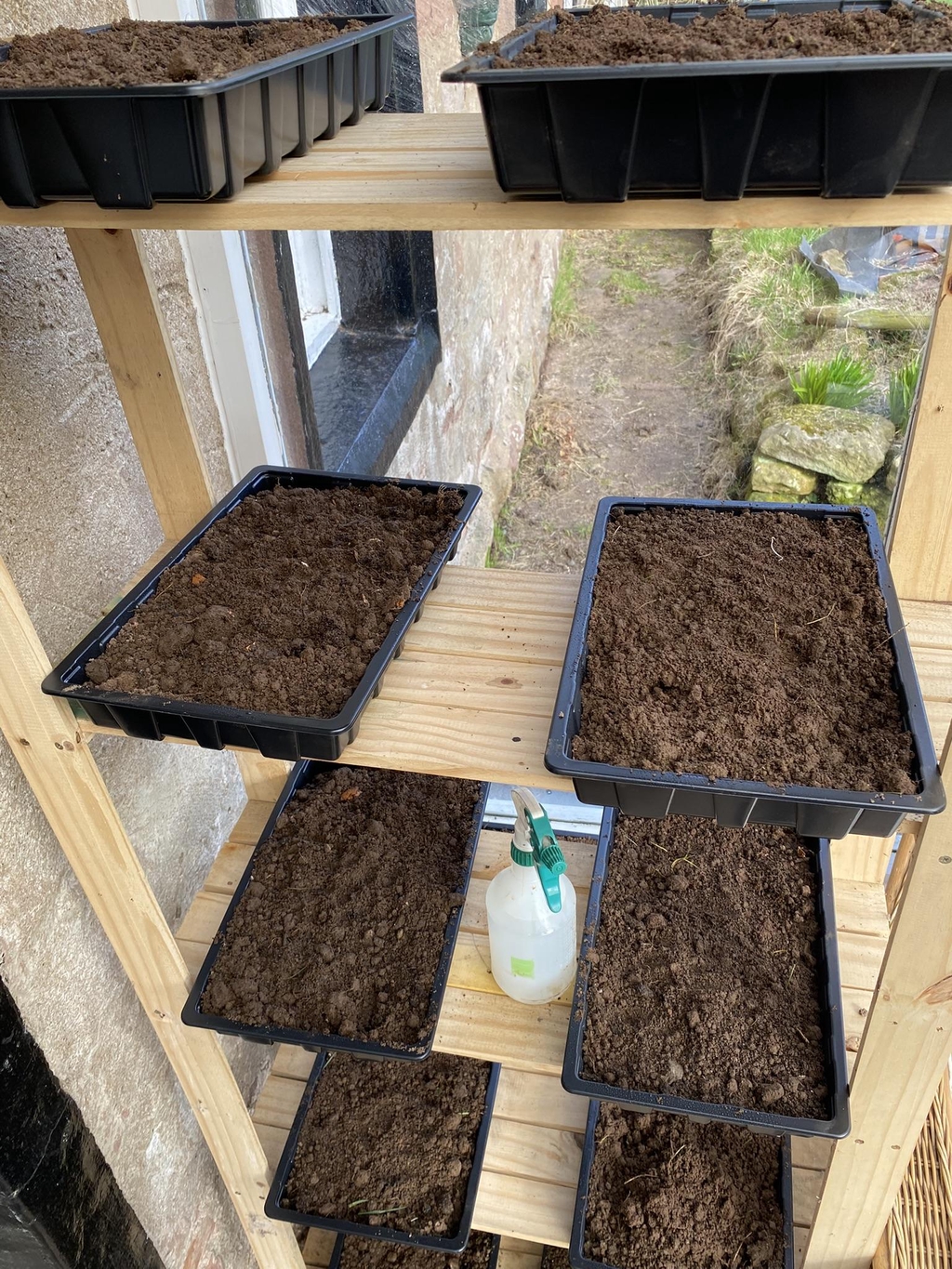
In the sunroom greenhouse, now the lemon balm babies are heading out, German chamomile and lemon verbena will be the next project. Lemon verbena will not survive outside in the winter, so will need a more permanent home under glass.
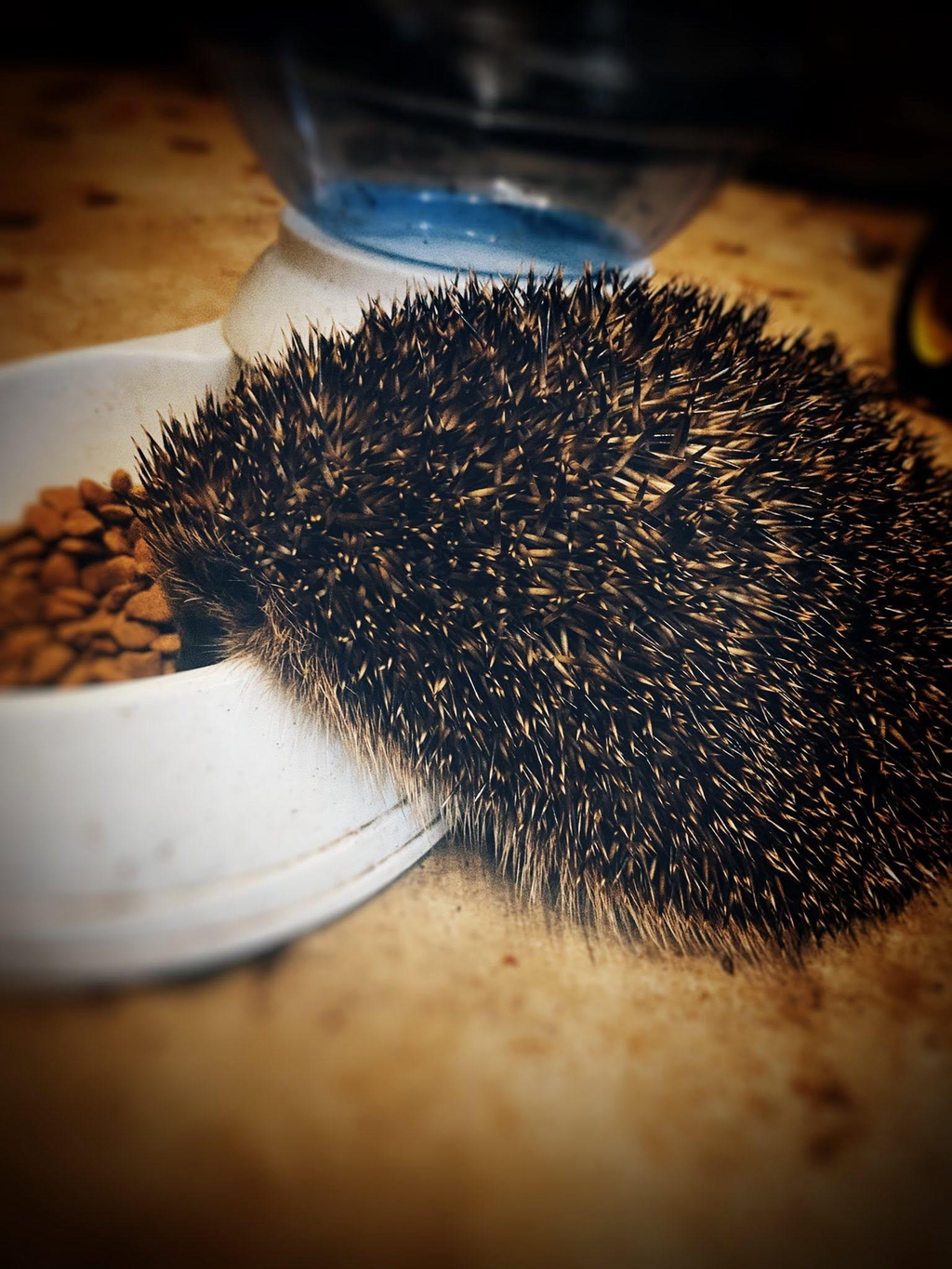
Now spring has arrived we are eagerly awaiting sightings of hedgehogs. We have left several areas of the garden wild, and John and Frankie even built a little shelter suitable for our prickly friends. We can't wait to see Herbie again!
Autumn/Winter 2025/2026
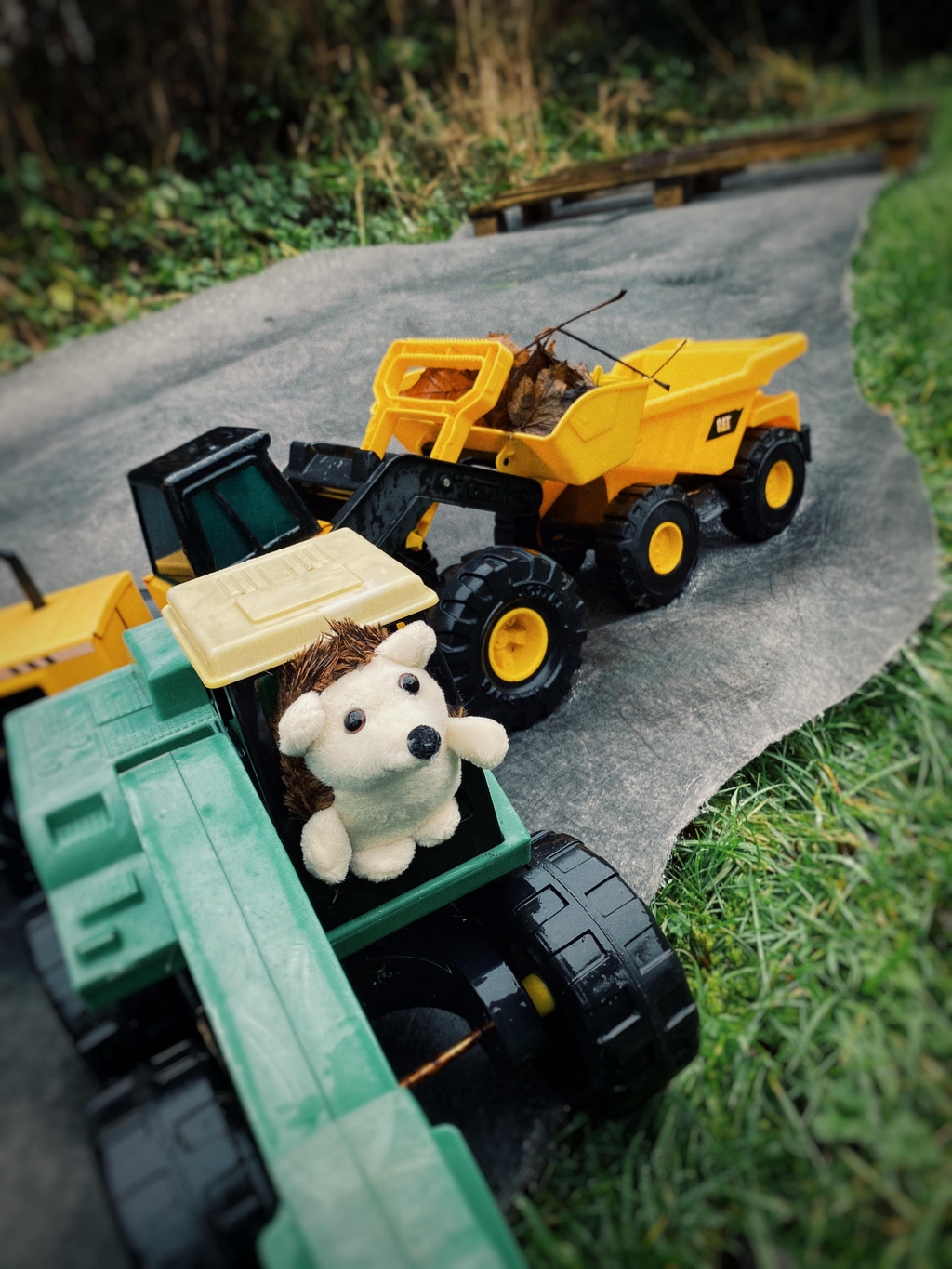
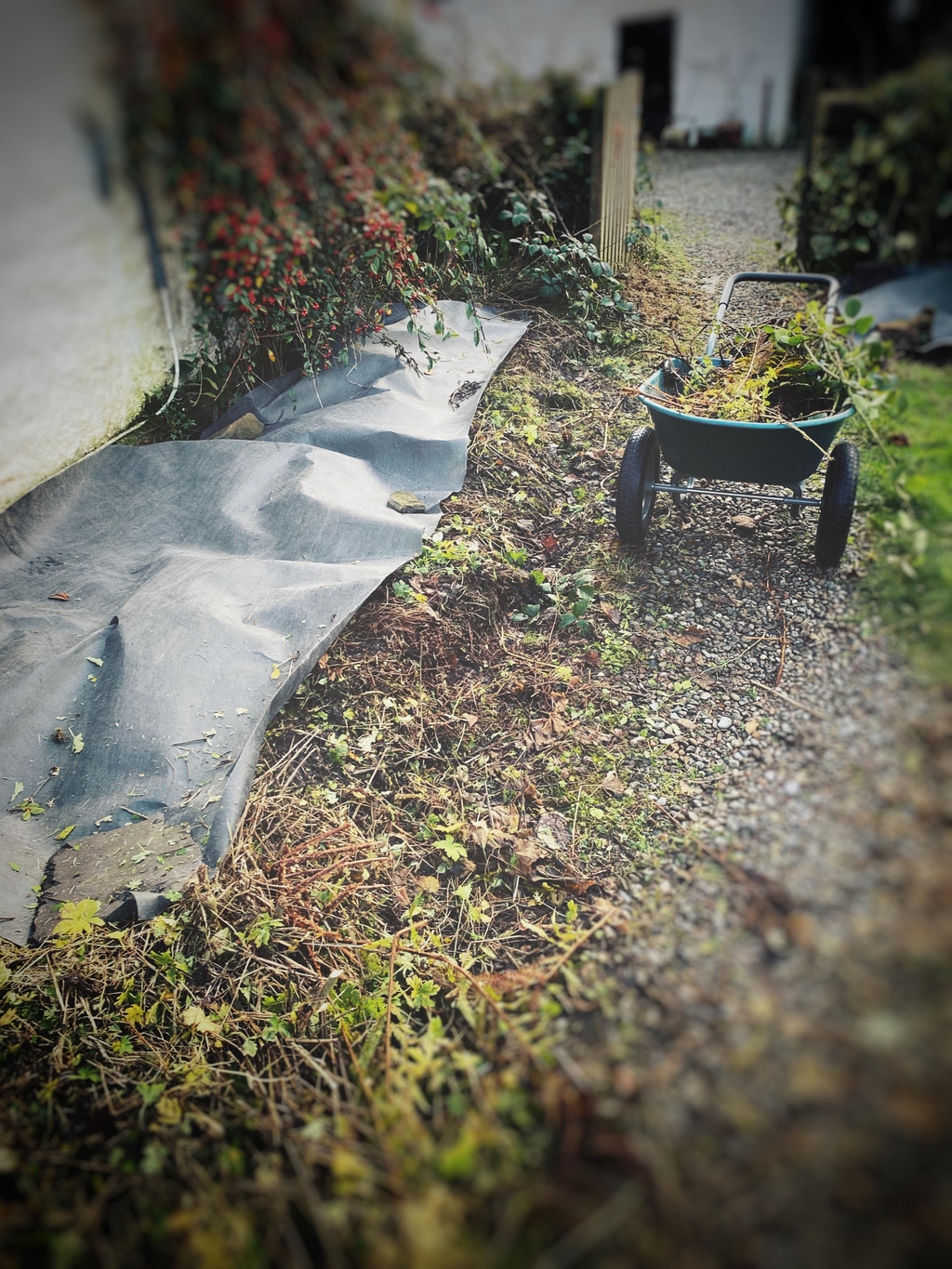
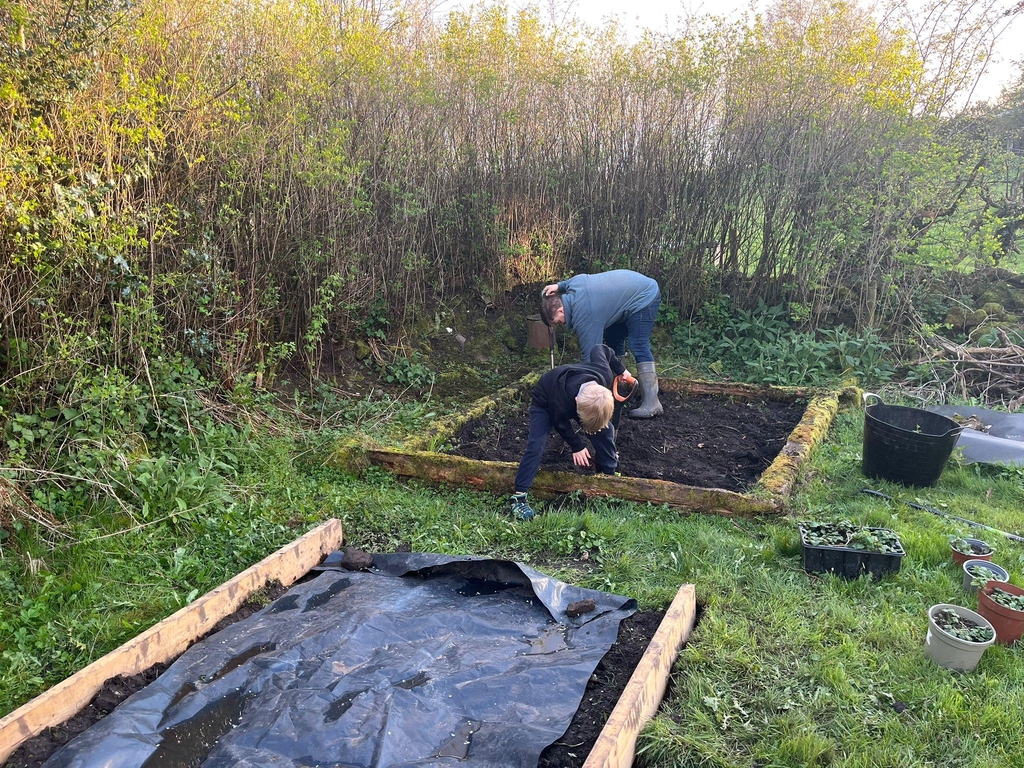
In the photographs below you can see that Herbie the Hedgehog has the new herb patches marked out and sheeted over for winter to clear the grass, while the plots we already have are mulching away nicely. In spring, we’ll be raising mint and lemon balm from root divisions and young plants in small standing greenhouses. Verbena will stay snug in the greenhouse too, as it doesn’t care for the cold — rather like Rachel!
We grow oodles of apples and pears here and we have already had a request for apple tea, which we will be more than happy to produce next autumn.
We are also cultivating a nettle patch - at least that's what we tell the neighbours! No, but seriously, nettle is a family favourite and king prawn & nettle carbonara is a spring staple here at The Herb Farm. Nettle makes a great ingredient for herbal teas, and is full of goodness... and, no, it doesn't make a "sting-y" tea! Although we do advise caution when harvesting...
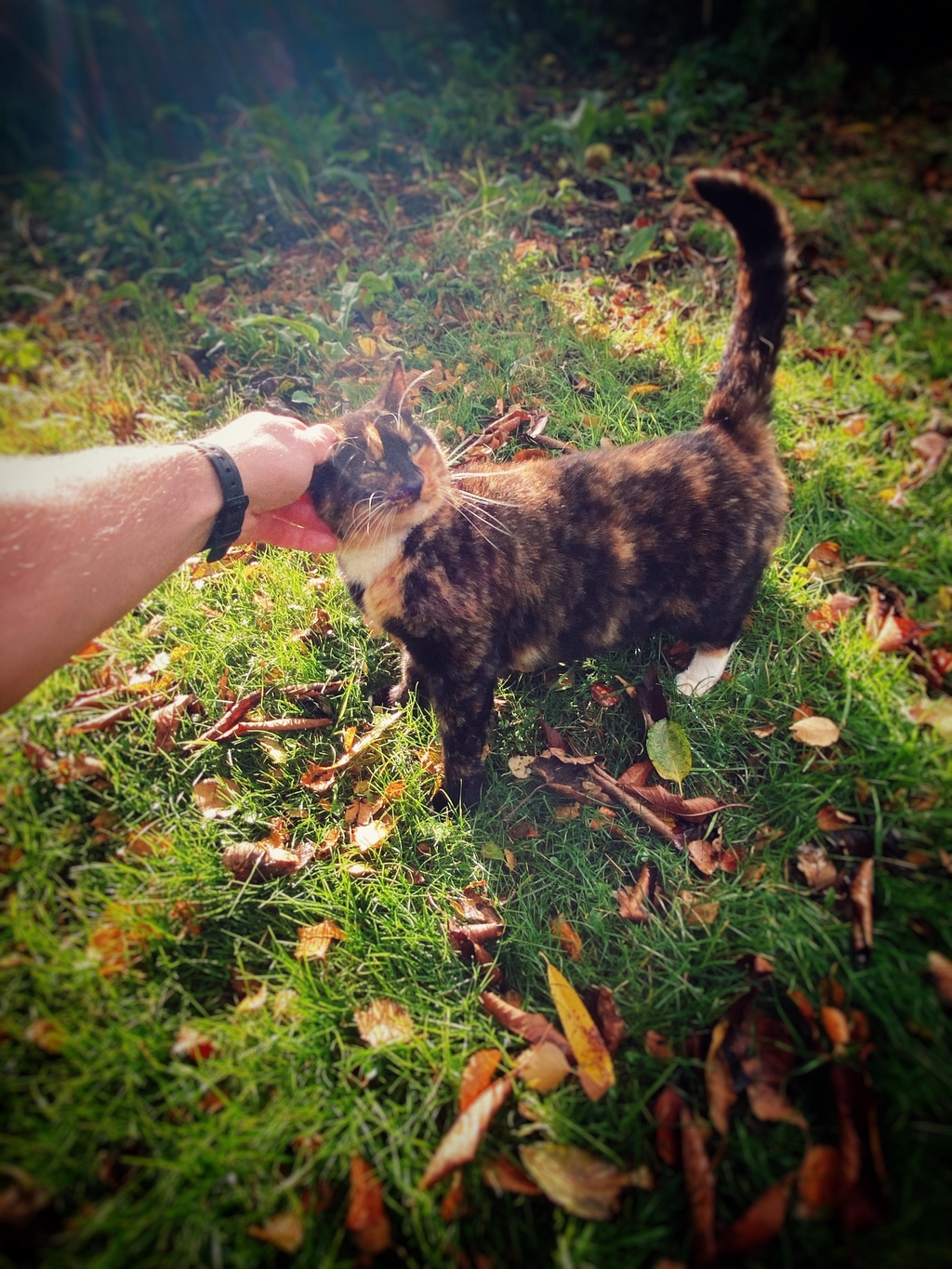
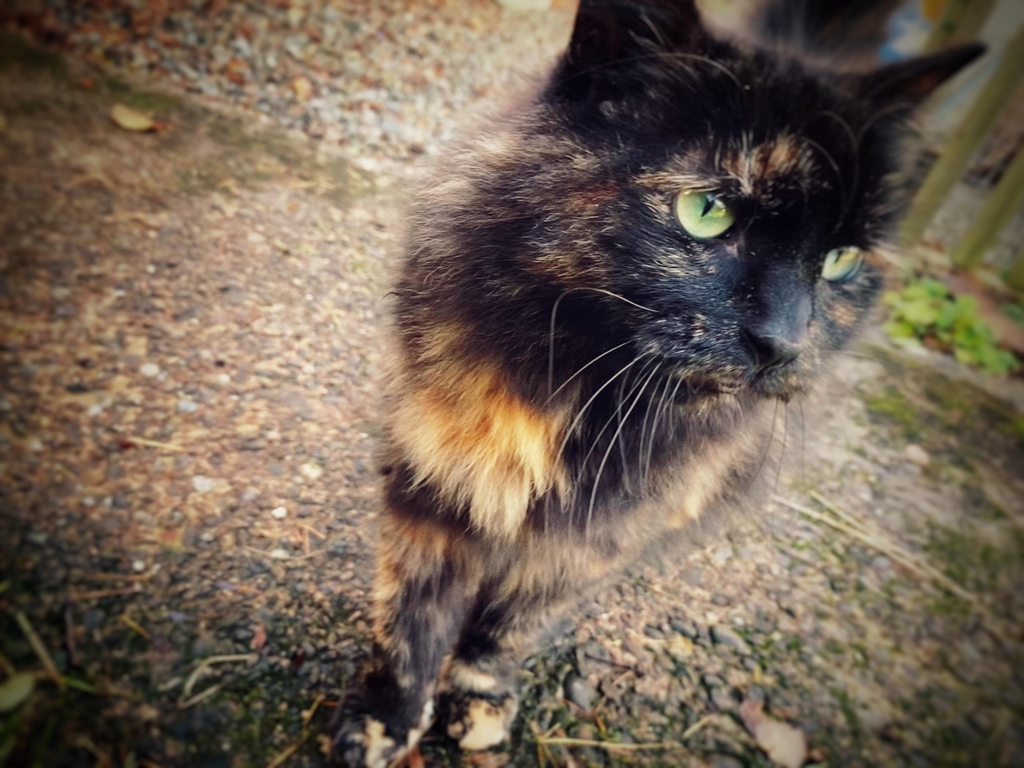
The head gardener at The Herb Farm is Frankie, aged 7, who you can see getting stuck in in the photos below. Without his hard work, none of this would be possible. He is assisted by two cats, Nala and Gerty. Nala is named after Simba's girlfriend in the Lion King. Gerty is named after Saint Gertrude, the patron saint of cats!